
Distinct groups of people within a society who share certain characteristics such as age, gender, geographic location, socioeconomic status, cultural background, or exposure to particular risk factors that may influence patterns of substance use, vulnerability to substance use disorders, and access to services. In the context of substance use systems, identifying and understanding different populations helps guide the design of prevention, treatment, recovery, and policy responses that are appropriate, equitable, and responsive to specific needs. Examples may include youth, women, people experiencing homelessness, individuals in the criminal justice system, or communities affected by specific social or economic conditions.
Populations
Cannabis and tobacco use prior to pregnancy and subsequent offspring birth outcomes: a 20-year intergenerational prospective cohort study
Abstract There is increasing evidence that the life-course origins of health and development begin before conception. We examined associations between timing and frequency of preconception cannabis and tobacco use and next generation...
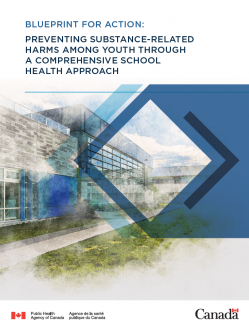
Blueprint for Action: Preventing substance-related harms among youth through a Comprehensive School Health approach
The Public Health Agency of Canada developed The Blueprint for Action: Preventing substance-related harms among youth through a Comprehensive School Approach with a policy paper. These new resources for preventing substance-related harms...
Developing and Evaluating Brief Alcohol Interventions for Risky Drinking Parents
ISSUP UK are pleased to present their next Webinar on Developing and Evaluating Brief Alcohol Interventions for Risky Drinking Parents.
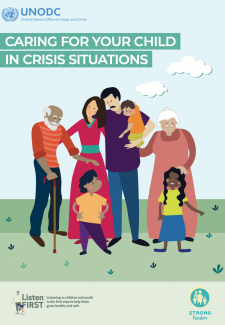
Drug prevention and healthy development of children: Caring for your child in a crisis situation
Crisis situations, such as security incidents, earthquakes and floods, are on the increase and often leave families very vulnerable. Parents that have lived through crisis situations have reported how concerned they are about their children...
Impact of an adult family member’s problematic substance use on family life
Problematic substance use can be a significant cause of stress for family members of the person using substances. This review, published in the journal Drug: Education, Prevention and Policy, examines current research in order to explore...
Rescheduled | Bi-Monthly Webinar: ISSUP Nigeria Knowledge Update Series (Eighth Session)
ISSUP Nigeria are pleased to present the next Bi-Monthly Webinar in their Knowledge Update Series. This Webinar will focus on Standing up to Peer Pressure on Substance Abuse in Schools.
UTC 4A Training Report - September 2021
The Colombo Plan Drug Advisory Programme is pleased to share this Training Report on Universal Treatment Curriculum 4A, psychoeducation for clients & Families.
Assessing the Prevalence of Fetal Alcohol Spectrum Disorder (FASD) in the UK
In a new study, led by a team at the University of Salford, evidence has been found to suggest fetal alcohol spectrum disorder (FASD) is a significant issue among the population, likely to be as common as autism, despite being rarely...
Minority Fellowship Program
The NBCC Foundation and NAADAC are pleased to announce the 2022 application period for the National Board for Certified Counselors (NBCC) Minority Fellowship Program for Addictions Counselors (MFP-AC) is now open. This program is made...
Psychosocial Interventions to Improve Psychological, Social and Physical Wellbeing in Family Members Affected by an Adult Relative’s Substance Use: A Systematic Search and Review of the Evidence
The use of alcohol and drugs is a significant public health concern and is prevalent in families. Over 100 million people are thought to be affected by a close relative's substance use, with many experiencing negative health and social...