
Distinct groups of people within a society who share certain characteristics such as age, gender, geographic location, socioeconomic status, cultural background, or exposure to particular risk factors that may influence patterns of substance use, vulnerability to substance use disorders, and access to services. In the context of substance use systems, identifying and understanding different populations helps guide the design of prevention, treatment, recovery, and policy responses that are appropriate, equitable, and responsive to specific needs. Examples may include youth, women, people experiencing homelessness, individuals in the criminal justice system, or communities affected by specific social or economic conditions.

Populations
Health, Economic and Educational Trajectory Research in the Processes of Addiction Research
Dear readers, This issue of the journal presents many interesting articles on various topics related to addiction. Mutual sign of research studies, despite their different thematic focus, is to show how important is to examine the...
Global Family Systems: Psychosocial Resilience during Covid-19
ISSUP UK are pleased to present their Webinar on Global Family Systems: Psychosocial Resilience during COVID-19.
Defining and implementing evidence-based practice: Reading list
What do we mean by evidence? This ISSUP Reading List has useful resources to help you learn more about evidence-based practice.
Recovery-Oriented Systems of Care: A Perspective on the Past, Present, and Future
ROSC or Recovery Oriented System of Care is a coordinated network of community-based services that is person-centred and builds on the strengths and resilience of individuals, families and communities ( 1). This paper provides a perspective...
Professionalization and Strengthening of the Drug Demand Reduction Workforce.
Chaired by Livia Edegger, Deputy Director of the International Society of Substance Use Professionals (ISSUP), the specialist in this panel spoke about the importance of creating and strengthening the workface in drug demand reduction...
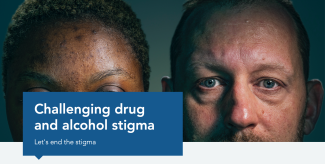
Scotland launches national campaign to tackle the stigma of addiction
Alcohol and problematic drug use are significant issues in Scotland, causing damage to people’s lives, families and communities, and contributing to violence and crime. Not only can stigma relating to substance use impact an individuals...
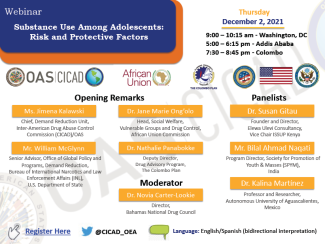
Substance Use Among Adolescents: Risk and Protective Factors
On December 2nd, CICAD's Demand Reduction Unit organised an online event on "Substance Use Among Adolescents: Risk and Protective Factors". The event is part of a series of international dialogues between Africa, Asia, Latin America and the...
Perspectives of healthcare providers, service users, and family members about mental illness stigma in primary care settings: A multi-site qualitative study of seven countries in Africa, Asia, and Europe
Stigma among healthcare providers is a barrier to the effective delivery of mental health services in primary care. Few studies have been conducted in primary care settings comparing the attitudes of healthcare providers and experiences of...
National Drug and Alcohol Facts Week®
National Drug & Alcohol Facts Week ® will be held March 21-27, 2022. Registration opens on November 1, 2021. Join NIDA for NDAFW and help share facts about drugs, alcohol, and addiction in your community. Sign up for the latest news...
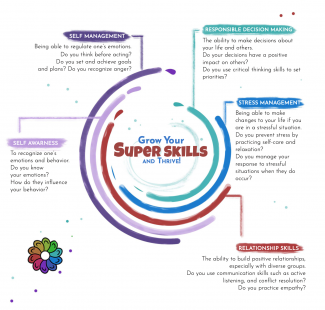
The Science of Skills- Listen First
On Saturday, 20 November to celebrate World Children’s Day, UNODC is launching Listen First: Science of Skills. The new materials, Science of Skills, feature four animated characters with ‘super skills’ that correlate to social and...