Populations

Distinct groups of people within a society who share certain characteristics such as age, gender, geographic location, socioeconomic status, cultural background, or exposure to particular risk factors that may influence patterns of substance use, vulnerability to substance use disorders, and access to services. In the context of substance use systems, identifying and understanding different populations helps guide the design of prevention, treatment, recovery, and policy responses that are appropriate, equitable, and responsive to specific needs. Examples may include youth, women, people experiencing homelessness, individuals in the criminal justice system, or communities affected by specific social or economic conditions. 
DAM Report of Recovery Get-Together 2022

News
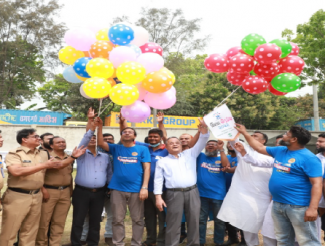
Dhaka Ahsania Mission (DAM) drug treatment centers celebrate Recovery Get-Together every year to support recoveries and help integration back into society. This year DAM arranged a “Recovery Get together” program on March 26, 2022, at Ahsania Mission Drug Treatment Center, Gazipur.
DAM Recovery get together

UNODC Listen First

Video and audio recordings
A UNODC drug use prevention initiative that promotes the well-being of children and youth, their families and their communities. Presenter: Jenny Roston Lundstrom, Coordinator - UNODC PTRS

Handbook for Emergencies

Book
The third edition of UNHCR’s Emergency Handbook is a reference tool which serves to reinforce a common understanding among the many key actors in emergency situations. This edition includes a number of important revisions of the handbook...

Working with older persons in forced displacement

Book
This document provides guidance for UNHCR staff and partners on protecting the rights of older persons in situations of forced displacement or statelessness. When responding to the phases of forced displacement (flight, displacement, return...

Emergency Resource List

Reading List
A selection of resources designed to support people who are in the midst of an emergency.
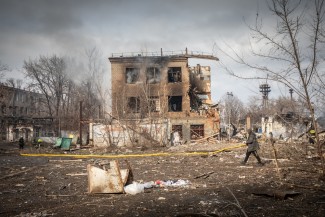
Ukraine PTSD emergency trauma war mental health crisis conflict