
Distinct groups of people within a society who share certain characteristics such as age, gender, geographic location, socioeconomic status, cultural background, or exposure to particular risk factors that may influence patterns of substance use, vulnerability to substance use disorders, and access to services. In the context of substance use systems, identifying and understanding different populations helps guide the design of prevention, treatment, recovery, and policy responses that are appropriate, equitable, and responsive to specific needs. Examples may include youth, women, people experiencing homelessness, individuals in the criminal justice system, or communities affected by specific social or economic conditions.
Populations
Supporting Women to Access Appropriate Treatment Study
Supporting Women to Access Appropriate Treatment (SWAAT) is a National Drugs Strategy Strand 2 Strategic Health Initiative which aims to build community capacity to support women to access treatment and recovery from drug and alcohol use...
Supporting Women to Access Appropriate Treatment
Supporting Women to Access Appropriate Treatment (SWAAT) is a National Drugs Strategy Strand 2 Strategic Health Initiative which aims to build community capacity to support women to access treatment and recovery from drug and alcohol use...
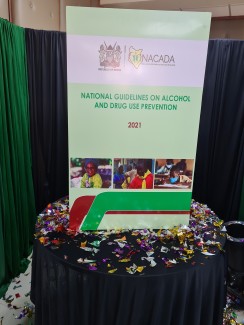
Kenya Launches National Guidelines on Drug Use Prevention
June 26, 2021, Nairobi, Kenya:- As the World commemorated the International Day Against Drug Abuse and Illicit Trafficking (IDADA) on June 26, 2021, Kenya has added another milestone in the journey towards a nation free from alcohol and...
Association of genetic liability to smoking initiation with e-cigarette use in young adults: A cohort study
Background: Tobacco smoking and e-cigarette use are strongly associated, but it is currently unclear whether this association is causal, or due to shared factors that influence both behaviours such as a shared genetic liability. The aim of...
Stigma towards people bereaved by drug-related death
Drug-related deaths can result in complex emotional turmoil for family members who are going through a grieving process at the same time as often experiencing a level of stigma. Despite the high frequency of drug-related deaths worldwide...
An Integrative Review of Measuring Caregiver Burden in Substance Use Disorder
Abstract Background: Family caregivers contribute to engagement in treatment and adherence, reduced substance misuse and relapse, and increased well-being of recipients with substance use disorder. However, providing care has also been...
A randomised, double-blind study investigating the relationship between early childhood trauma and the rewarding effects of morphine
Experiences of childhood trauma (abuse and neglect) are disproportionately higher in those with opioid use disorder (OUD). Childhood trauma may affect the reinforcing and rewarding properties of opioid drugs and responses to pain, potentially via developmental changes to the endogenous opioid system.
Children's Rights in Drug Treatment Programmes Survey
Dianova International launched an online survey gathering information about how children's needs are being addressed in adult drug treatment programmes, and by identifying ways of promoting family-centred services respectful of the needs of...
Reducing Substance Use Stigma: The Role of First Responders
Stigma is one of the biggest barriers people face when seeking care for substance use disorders. Designed for members of the law enforcement community, this webinar explored the relationship between substance use, the brain and mental...
Online Echo Training on Motivational Interviewing for Children with Substance Use Disorders
Young children are now living in drug-life circumstances and are actively engaged in drug-using behavior. Recent data show that incidence and prevalence rates of substance use and substance use disorders among young children are increasing...