
Populations

Distinct groups of people within a society who share certain characteristics such as age, gender, geographic location, socioeconomic status, cultural background, or exposure to particular risk factors that may influence patterns of substance use, vulnerability to substance use disorders, and access to services. In the context of substance use systems, identifying and understanding different populations helps guide the design of prevention, treatment, recovery, and policy responses that are appropriate, equitable, and responsive to specific needs. Examples may include youth, women, people experiencing homelessness, individuals in the criminal justice system, or communities affected by specific social or economic conditions. 
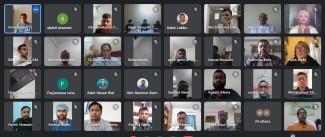
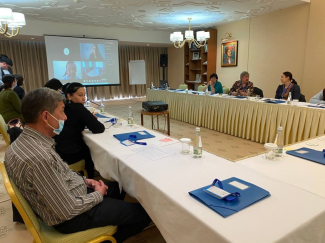
Drug Treatment and Management Training in Prison Inaugurated

News
Drug use has been identified as one of the ominous problems that the society faces now-a-days. Every drug dependent person has different and complex difficulties to go through in the process of recovering from such harmful behavior. Person...

KYDA POSTER PRESENTATION IN UAPC20

Book
 - 
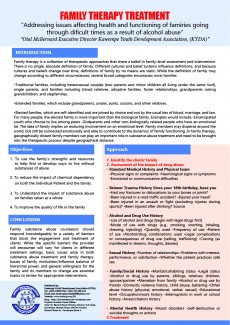
KYDA presented a poster on family therapy interventions taking place at their centre during the second Uganda Alcohol Policy Conference. Family therapy is a collection of therapeutic approaches that share a belief in family-level assessment...
Family therapy is that treatment that is aimed at addressing specific issues affecting health and functioning. This is always very helpful to the families going through a very difficult period just like the families KYDA Rehabilitation Centre is working with, which are alcoholic families.  KYDA Organization social workers and counselors always do the activity since they have got experience in child protection and alcohol harm, behavioral problems and domestic violence in line with substance use.