Distinct groups of people within a society who share certain characteristics such as age, gender, geographic location, socioeconomic status, cultural background, or exposure to particular risk factors that may influence patterns of substance use, vulnerability to substance use disorders, and access to services. In the context of substance use systems, identifying and understanding different populations helps guide the design of prevention, treatment, recovery, and policy responses that are appropriate, equitable, and responsive to specific needs. Examples may include youth, women, people experiencing homelessness, individuals in the criminal justice system, or communities affected by specific social or economic conditions.
Populations
The Consequences of the Stress and Stigma of a Parent's Substance Use Disorder
The devastating consequences of stigma on youth: In February, Starling's Community released a first-of-its-kind report highlighting the deeply rooted ways stigma harms children exposed to the stress of a parent's unaddressed trauma and...
Alcohol and Prostate Cancer: Time to Draw Conclusions
Abstract It has been a long-standing debate in the research and medical societies whether alcohol consumption is linked to the risk of prostate cancer (PCa). Many comprehensive studies from different geographical areas and nationalities...
Family profile and drug use in women inmates in Recovery Centers in Northwestern Mexico
Summary Addictions are a social and public health problem whose latest trends in Latin America show an increase in women. The objective of this study was to compare the family variables and the consumption of harmful substances of women...
Association of Genome-Wide Polygenic Scores for Multiple Psychiatric and Common Traits in Preadolescent Youths at Risk of Suicide
Abstract Importance Suicide is the second leading cause of death among youths worldwide, but no available means exist to identify the risk of suicide in this population. Objective To assess whether genome-wide polygenic scores for...
Daily cannabis use during the novel coronavirus disease (COVID-19) pandemic in Canada: a repeated cross-sectional study from May 2020 to December 2020
The novel coronavirus disease (COVID-19) pandemic has resulted in substantial burden of disease in Canada. Daily cannabis use is most strongly implicated in the cannabis-attributable burden of disease. In the context of the novel...
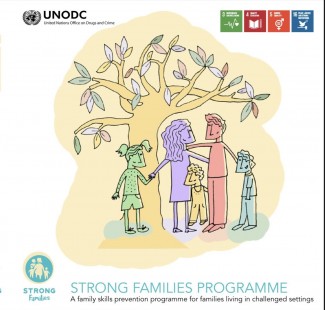
Bridging the Gap between the Pressing Need for Family Skills Programmes in Humanitarian Settings and Implementation
A supportive environment with nurturing caregivers is essential for the healthy development of children. For children who have been exposed to extreme stress, such as humanitarian contexts, the need for strong, healthy, nurturing caregiver relationships may assume even greater importance. The Strong Families programme, a UNODC family skills intervention, is presented as an example of an intervention that aims to bridge this gap of interventions that meet the need for humanitarian and contexts of extreme stress.
Mental Health Made Simple
Twin Rivers Rehab Mental Health Made Simple What is Mental Health? Mental health is a blanket term that refers to our emotional, psychological, and social well-being. It affects how we think, feel, and act. Mental health also helps...
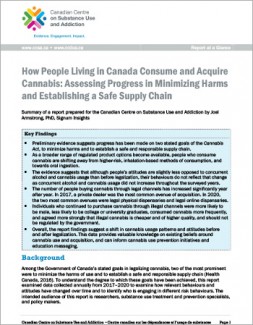
How People Living in Canada Consume and Acquire Cannabis: Assessing Progress in Minimizing Harms and Establishing a Safe Supply Chain
Summary People’s attitudes and behaviours about cannabis have shifted since it was legalized in 2018. The Canadian Centre on Substance Use and Addiction (CCSA) has funded research to examine these changes. As we approach the three-year...
Strong commitment in Pakistan towards quality assurance in line with the UNODC-WHO International Standards for the Treatment of Drug Use Disorders
UNODC Pakistan, together with support from the Ministry of Narcotics, the Ministry of National Health Services Regulation and Coordination, the UNODC Prevention, Treatment and Rehabilitation Section and generous funding support from the US...
DECCA Big Guides
Downloadable information on alcohol, drugs and tobacco.