
Distinct groups of people within a society who share certain characteristics such as age, gender, geographic location, socioeconomic status, cultural background, or exposure to particular risk factors that may influence patterns of substance use, vulnerability to substance use disorders, and access to services. In the context of substance use systems, identifying and understanding different populations helps guide the design of prevention, treatment, recovery, and policy responses that are appropriate, equitable, and responsive to specific needs. Examples may include youth, women, people experiencing homelessness, individuals in the criminal justice system, or communities affected by specific social or economic conditions.
Populations
Treatnet Family Therapy Feasibility Study in Vietnam
Following the successful feasibility study in Indonesia on family therapy for youths with drug use disorders, Vietnam is the second country that rolls out a similar study as a way to offer more evidence-based, effective treatment...
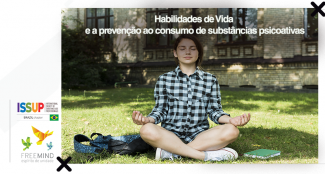
Life Skills and the prevention of psychoactive substance use
According to Botvin (2004) and Sloboda (2004), there is empirical evidence that prevention programs, such as Life Skills, based on knowledge, identification of risk factors and development of psychosocial skills related to drugs are more...
The Life Skills Model
Life skills are capacities for positive adaptive behavior, which enable us to effectively negotiate the demands and challenges of everyday life. They involve personal skills that will enhance interpersonal relationships. The WHO suggests...
Life Skills as a Form of Prevention
Adolescence is one of the most important periods of people's lives. This phase of human development, in which the child becomes an adult, delimits the potential for psychological growth of the individual. Depending on how one structures...
The Role of Alcohol use and Drinking Patterns in Socioeconomic Inequalities in Mortality
Socioeconomic status (SES) can be thought of as a measure of an individual's or family's social position relative to others that measures factors such as education, income, type of occupation and place of residence. Research indicates that...
Alcohol consumption in quarantine
When Argentine families closed to meet the quarantine imposed by the coronavirus, memes emerged as the possibility of spying on what is happening inside. Images such as a row of green beer bottles lining a house and field, and a caption in...
Online and Free Course: Parents in Prevention
New classes are being opened for the online course Parents in Prevention,which aims to help families, health professionals and guardians of children and adolescents to prevent drug use. It is an introductory training with a workload of 20...
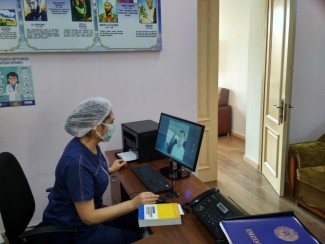
UNODC Trained Treatment and Care Professionals Providing Valuable Support to People with Drug Use Disorders in Bukhara Region of Uzbekistan during COVID-19
Introduction of the quarantine measures in Bukhara Region, Uzbekistan made it extremely difficult to provide drug dependence treatment services to the population of the region. This negatively affected the quality of life of people with...
Children: Real and Lasting Casualties of Domestic, Familial and Intimate Partner Violence - The AOD Connection
The reporting on this social justice and welfare impacting catastrophe remains not only sporadic but, it is incomplete in scope and context particularly around alcohol and other drug (AOD) issues. Just one report stated that; Nearly three...
The CHILD Intervention for Living Drug-Free Comprehensive Assessment of Risk, Resilience, and Experience (CHILD CARRE) Measure: Initial Findings
This paper summarizes the development and evaluation of an assessment instrument for children ages 7–12. The CHILD CARRE measure is a semi-structured interview with 7 domains. Children from the USA and Argentina (N¼134) completed baseline...