
Distinct groups of people within a society who share certain characteristics such as age, gender, geographic location, socioeconomic status, cultural background, or exposure to particular risk factors that may influence patterns of substance use, vulnerability to substance use disorders, and access to services. In the context of substance use systems, identifying and understanding different populations helps guide the design of prevention, treatment, recovery, and policy responses that are appropriate, equitable, and responsive to specific needs. Examples may include youth, women, people experiencing homelessness, individuals in the criminal justice system, or communities affected by specific social or economic conditions.
Populations
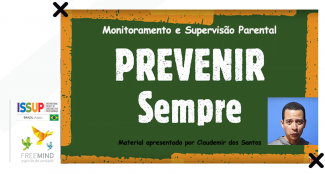
Parental Monitoring and Supervision
Adolescence is characterized by the passage from childhood to adulthood. At this stage, it is totally normal and common for children to be likely to live new experiences outside the family environment. They want to build their own identity...
Attitudes towards Cough Syrup Abuse: A Study of Adolescents in Southwest, Nigeria
One area of substance misuse among adolescents that is currently a problem, and has not been fully understood in the Nigerian context is the attitudes of adolescents towards cough syrup abuse. Thus, to inform policy actions for reducing...
Sociodemographic differences between inhalable users, other drug users and non-consumer teens in a Mexican student sample
Summary Introduction: Inhalables such as glue, thinner and other petroleum derivatives are one of the most widely used groups of substances among the Mexican adolescent population. Recent studies have shown that, along with marijuana...
Congratulations to New ICAP-Credentialed Professionals
We are proud to announce the results of recent ICAP exams: 17 people from Tunisia and 20 people from Cameroon recently passed the ICAP I exam. 5 people from Abu Dhabi passed the ICAP II exam and 4 of this year's Humphrey Fellows passed the...
UNODC Nigeria launches DrugHelpNet: A Network of Nigerian Health Professionals to Provide over-the-phone Assistance to Drug Users in Need
Based on the 2019 Drug Use Survey in Nigeria, UNODC estimates that there are more than three million Nigerians living with some of a drug use disorder. Government imposed lockdowns, implemented across most Nigerian States, weigh...
Interdependence of Risk and Protective Factors on Early Initiation of Substance Use
The most important predictor for SUD later in life is early initiation of substance use during adolescence, thus prevention programs must target youth in delaying the onset of age of initiation. However, the interaction between both risk...
TREATNET
The developmental stage of adolescence involves dramatic biologic, psychological, and behavioural changes. It is a time where young people start to explore, seek further independence and experiment with new experiences. It is also a time...
The Self-Care Matrix: A Unifying Framework for Self-Care
We are seeing a global rise in long-term noncommunicable diseases, linked with our inability to protect our own wellbeing. The World Health Organization defines self-care as: " the ability of individuals, families and communities to promote...
Association of Opioids Prescribed to Family Members With Opioid Overdose Among Adolescents and Young Adults
Abstract Importance: Family members are cited as a common source of prescription opioids used for nonmedical reasons. However, the overdose risk associated with exposure to opioids prescribed to family members among adolescents and young...
Role of Parenting Styles in Internalizing, Externalizing, and Adjustment Problems in Children
Abstract Introduction. Different studies have reported the relationship of parenting styles with adjustment problems in children. However, it has not been specified which aspects of parenting styles play a central role in the manifestation...