
Distinct groups of people within a society who share certain characteristics such as age, gender, geographic location, socioeconomic status, cultural background, or exposure to particular risk factors that may influence patterns of substance use, vulnerability to substance use disorders, and access to services. In the context of substance use systems, identifying and understanding different populations helps guide the design of prevention, treatment, recovery, and policy responses that are appropriate, equitable, and responsive to specific needs. Examples may include youth, women, people experiencing homelessness, individuals in the criminal justice system, or communities affected by specific social or economic conditions.
Populations
OAS-CICAD and SENAPRED conclude International Cooperation Agreement
Last year, the Federal Government published the Decree establishing the New National Drug Policy, which seeks to provide more effectiveness in coping with drugs, in the prevention of the use of these substances and in the recovery of drug...
UNODC Webinar: Drug Treatment, Care & Recovery for People, Families & Communities in the COVID-19 Crisis in Southeast Asia
UNODC Prevention, Treatment, and Rehabilitation Section (PTRS), in collaboration with the WHO, International Experts from Australia and Italy, the Colombo Plan, UNODC Regional Office for Southeast Asia and the Pacific (ROSEAP) and field...
Therapeutic Justice: Concept and advances in addressing drug-related situations
On July 3, 2020, ISSUP Argentina presented a webinar on the topic of Therapeutic Justice: Concept and advances in addressing drug-related situations.
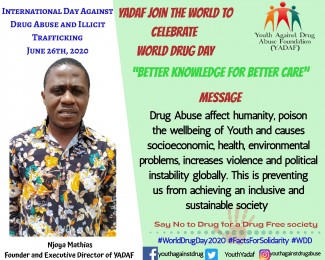
World Drug Day : Let your voice be heard
!!!!LET YOUR VOICE BE HEARD!!!! In view of the celebration of the International Day Against Drug Abuse and Illicit Trafficking which is also called World Drug Day, coming up on June, 26th. Celebrating under the theme "Better knowledge for...
Prevention in the COVID 19 Crisis - Parent Webinar
COVID-19 presents a rapidly changing situation for families and young people. Fear and anxiety can be overwhelming and cause strong emotions in especially children and teens. A few of the many things teens might turn to in stressful...
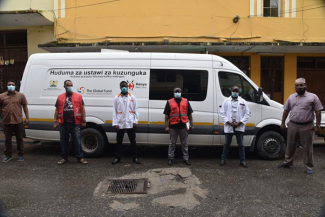
UNODC Ensuring Continuum of Care for People Who Use and Inject Drugs, Including Those in Prisons During COVID-19 in Coastal Kenya
The United Nations Office on Drugs and Crime (UNODC) Regional Office for Eastern Africa (ROEA) supports Kenyan counties in COVID-19 prevention efforts for key and most vulnerable populations. In the spirit of leaving no one behind...
COVID-19: Online and Remote Resources for Addiction Support
The National Institute on Drug Abuse has put together information on the potential implications of this pandemic on those who struggle with substance use disorder. The social distancing that is required during this COVID-19 outbreak has put...
Better Knowledge for Better Care: Changing Substance Use Treatment and Prevention Narratives in Nigeria
International Day against Drug Abuse and Illicit Trafficking Better Knowledge for Better Care Changing Substance Use Treatment and Prevention Narratives in Nigeria The United Nations International Day against Drug Abuse and Illicit...
Barriers, Facilitators, and Disparities in Retention for Adolescents in Treatment for Substance Use Disorders: A Qualitative Study with Treatment Providers
Abstract Background Retention in substance use treatment is one of the strongest predictors of improved outcomes among adolescents, making retention an important goal of treatment. We examined treatment providers’ perspectives on barriers...
22nd National Week of Drug Policy - June 22-26
With the theme "United for Life", event will discuss actions on prevention and combating drugs in the country The 22nd National Week of Drug Policies will be held by the Ministry of Justice and Public Security, in partnership with the...