Populations

Distinct groups of people within a society who share certain characteristics such as age, gender, geographic location, socioeconomic status, cultural background, or exposure to particular risk factors that may influence patterns of substance use, vulnerability to substance use disorders, and access to services. In the context of substance use systems, identifying and understanding different populations helps guide the design of prevention, treatment, recovery, and policy responses that are appropriate, equitable, and responsive to specific needs. Examples may include youth, women, people experiencing homelessness, individuals in the criminal justice system, or communities affected by specific social or economic conditions. 
Online Training- Families and Substance Use

News
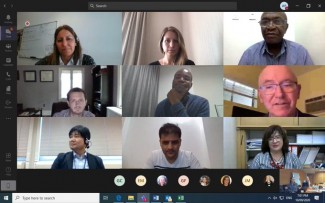
Course: Families and substance use: the impact of hidden harm, trauma and protective factors An online training course, delivered via Zoom. The training will take place over two days and four separate sessions, lasting two and a half hours...

Some effective tactics for preventing drug use

News
National and international drug prevention networks, community leaders and strong community coalitions are the key to changing public attitudes and reducing the availability of illicit drugs worldwide. Some effective tactics include...

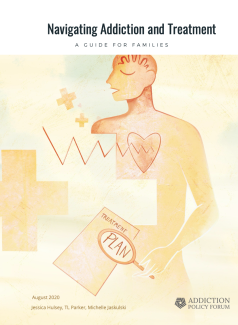
Navigating Addiction and Treatment A Guide for Families

Book
About the Report Navigating Addiction and Treatment: A Guide for Families is a resource for family members who are trying to navigate the complex world of addiction and help loved ones achieve recovery. The guide includes basic definitions...

Parent participation and prevention at school

News
In another video of the channel Prevent Always, Rodrigo Flaire and Claudemir dos Santos end the series that deals with life skills, talking about the importance of parents' participation for prevention in school,about how parents can...