
Populations

Distinct groups of people within a society who share certain characteristics such as age, gender, geographic location, socioeconomic status, cultural background, or exposure to particular risk factors that may influence patterns of substance use, vulnerability to substance use disorders, and access to services. In the context of substance use systems, identifying and understanding different populations helps guide the design of prevention, treatment, recovery, and policy responses that are appropriate, equitable, and responsive to specific needs. Examples may include youth, women, people experiencing homelessness, individuals in the criminal justice system, or communities affected by specific social or economic conditions. 
Substance Misuse in Older People: an Information Guide

Book
This guide, published by the Royal College of Psychiatrists, provides an in depth account of treatment of substance misuse among older adults. Contents Part 1 Initial assessment of substance misuse in older people Psychosocial interventions...

Do friends involved in drugs influence our children?

News
Are you "Maria goes with the others"? My grandmother used to say, "Who mixes with pigs, bran eats." And we have the translation of Psalm I that says, "Tell me who you're hanging out with and I'll tell you who you are." Rodrigo Flaire and...

October 12 - Children's Day

News
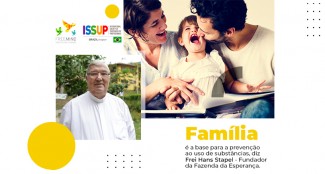
Toys, toys and more toys. Often, say experts, in the eagerto buy the favorite gift, which over the wills and tastes of children, parents forget something that can not be bought, nor translated into numbers: presence. "We need to look at the...

New Video & Resources on Building Protective Factors

Video and audio recordings
Understanding protective factors and how to build strong healthy youth and families can help prevent youth from experiencing adverse childhood experiences and initiating into substance use. Check out and share our new video and resources to...