
Distinct groups of people within a society who share certain characteristics such as age, gender, geographic location, socioeconomic status, cultural background, or exposure to particular risk factors that may influence patterns of substance use, vulnerability to substance use disorders, and access to services. In the context of substance use systems, identifying and understanding different populations helps guide the design of prevention, treatment, recovery, and policy responses that are appropriate, equitable, and responsive to specific needs. Examples may include youth, women, people experiencing homelessness, individuals in the criminal justice system, or communities affected by specific social or economic conditions.

Populations
WEBINAR: Cary Hopkins Eyles on Authentic Self-Care for Addiction Professionals
This webinar focuses on the issue of self-care for addiction professionals and was delivered by ICUDDR Deputy Director Cary Hopkins Eyles. Many of us are drawn to work in the field of substance use disorders due to our history, family, and...
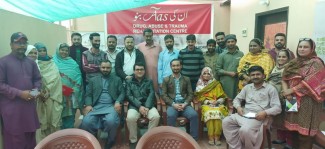
Implemented a Twelve Weeks "Staff Wellness Program" at Aas Trust
The objective of this 12 weeks Wellness Program is to equip addiction professionals working with people (i.e., children, women, and adults) with substance use disorder. We know that they are at the front and are directly involved in...
The role of genatics in the prevention of
The role of genetics in prevention Substance use disorders can occur in families. Research suggests that genetics represents about 1-2 of a person's likelihood of developing a substance use disorder. Genes are the functional units of our...
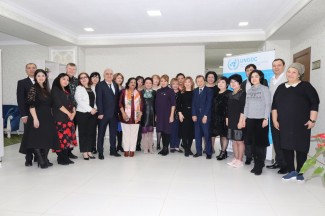
18 National Trainers from Central Asia Trained on Advance UTC Courses 14 and 17 in Uzbekistan
24-29 February 2020 - A team of national trainers from Central Asia attended the Universal Treatment Curriculum (UTC) Regional Training of Trainers held in Tashkent, Uzbekistan. The training was organized by the UNODC Regional Office for...
Trauma Informed Care for Alcohol and Other Drug (AOD) Practice
Trauma, especially during childhood, can negatively impact the way our brains develop. Adverse childhood experiences (ACEs) are potentially traumatic events experienced before reaching the age of 18, including but not limited to abuse or...
Differences between Girls and Boys at Treatment Entry and in Response to Treatment
Psychoactive substance use among children in Afghanistan is an issue of concern. Somewhere around 300,000 children in the country have been exposed to opioids that either parents directly provided to them or by passive exposure. Evidence...
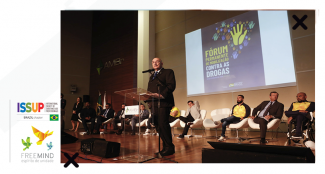
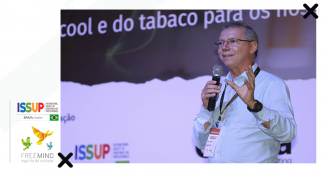
Read and sign the Open Letter of the "Permanent Forum for Drug Mobilization"
The Permanent Forum for Drug Mobilization was launched by the Ministry of Citizenship on Wednesday, February 12, 2020, in Brasilia and called for entities and society to participate in the work of prevention and combating drugs. In addition...
CCSA Alcohol Resources
Healthcare and allied health professionals — including family physicians, nurses, addiction specialists, psychologists and social workers — use alcohol screening, brief intervention and referral to treatment (SBIRT) to help individuals...
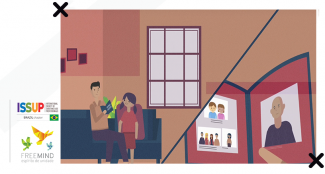
Harmful Use of Alcohol and Other Drugs: A Challenge for Brazilian Society
The harmful use of alcohol and other drugs is a topic that Brazilian society frequently discusses, but due to its breadth and complexity, it is also a subject that returns to the debate due to the depth of its causes and the severity of its...
Drugs: a complex problem. Prevention: the only way!
Drugs are problems that integrate virtually all contemporary societies, causing great social and economic impacts. In Brazil, illicit drugs also finance crime and violence, so their fight remains a huge challenge for our country. Most users...