
Populations

Distinct groups of people within a society who share certain characteristics such as age, gender, geographic location, socioeconomic status, cultural background, or exposure to particular risk factors that may influence patterns of substance use, vulnerability to substance use disorders, and access to services. In the context of substance use systems, identifying and understanding different populations helps guide the design of prevention, treatment, recovery, and policy responses that are appropriate, equitable, and responsive to specific needs. Examples may include youth, women, people experiencing homelessness, individuals in the criminal justice system, or communities affected by specific social or economic conditions. 
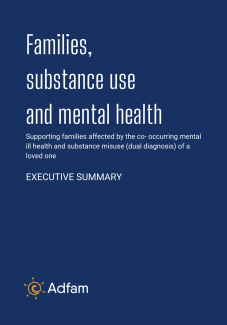
Families, substance use and mental health: Report and Toolkit

Book
Dual diagnosis is the term used to describe people with mental health problems, who also misuse drugs or alcohol. People affected by dual diagnosis often fall through the cracks of public services, and so do their families. Those cracks are...

The Science of Physical Activity

Video and audio recordings
What is the science behind it? Physical activity has many health benefits: it strengthens the heart and can help improve bone health and fitness, lowers blood pressure, improves sleep quality and reduces the risk of diabetes. Physical...

Addiction and the Family International Network

News
The AFINet Webinars cover a range of topics related to Addiction and the Family. The programme for 2021 is below. Participation in each webinar is free, but to join, you MUST register beforehand. For each Webinar that you are interested in...

Stigma Reading List

Reading List
Stigma is a complex construct that is present within societies at different levels. The impact of stigma can severely damage individuals and communities. People who use substances are often on the receiving end of stigmatising attitudes and...