
Distinct groups of people within a society who share certain characteristics such as age, gender, geographic location, socioeconomic status, cultural background, or exposure to particular risk factors that may influence patterns of substance use, vulnerability to substance use disorders, and access to services. In the context of substance use systems, identifying and understanding different populations helps guide the design of prevention, treatment, recovery, and policy responses that are appropriate, equitable, and responsive to specific needs. Examples may include youth, women, people experiencing homelessness, individuals in the criminal justice system, or communities affected by specific social or economic conditions.
Populations
Participate in Online Survey: Experiences and Needs of Families of Former Members of the UK Armed Forces with Substance Use Problems
The University of York and Adfam would like to invite you to take part in the above-named research project. The project has research ethics approval from the University of York. It is funded by the Forces in Mind Trust (FiMT). The project...
Prenatal Alcohol Exposure and Offspring Alcohol Use
Despite increasing awareness of the negative consequences of alcohol, rates of consumption among young adults remain high. Longitudinal studies provide insight into the risk and protective factors in a young persons life that might increase...
Tobacco Use Among Lesbian, Gay, Bisexual and Transgender Young Adults
It is recognised that smoking and use of tobacco products among lesbian, gay, bisexual, transgender and queer (LGBTQ) young adults is higher compared to their heterosexual and cisgender peers. Although it is believed that within the LGBTQ...
Drinking in Pregnancy: Lasting Effects of Low-level Alcohol Use?
It is generally known and accepted that heavy drinking during pregnancy can have harmful effects on the development of the unborn child. What is less well understood, and is causing uncertainty amongst the public, is the impact of low-level...
Changing Perceptions: How Harmful Is Drinking in Later Life?
Given the current growth of ageing populations, alcohol consumption among the elderly has received increased attention. What is deemed to be a ‘safe’ level of consumption has also been thrown into question, in the light of new evidence of a...
Psychostimulant Use and the Brain
Over the past decade there has been an increase in the manufacture and use of psychostimulants in countries around the world. Around two-thirds of illicit psychostimulant users are male with average age of use for methamphetamine and...
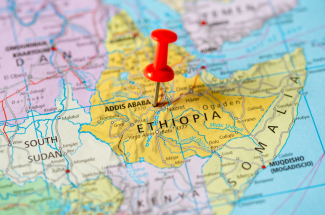
Prevalence and Risk Factors for Initiating Tobacco and Alcohol Consumption in Adolescents Living in Urban and Rural Ethiopia
Both alcohol and tobacco use is an increasing public health concern in low- or middle-income countries. Due to an annual economic growth rate of approximately 10%, Ethiopia is a target for both the alcohol and tobacco industries. Although...
Vibrant and Healthy Kids: Aligning Science, Practice, and Policy to Advance Health Equity
Early experiences and life circumstances shape prenatal and early childhood development, with powerful impacts on the developing brain and body that shape health outcomes across the life course and can span generations. The preconception...
Family-Based Intervention Program for Parents of Substance-Abusing Youth and Adolescents
The use of drugs among adolescents/youth often results in a high degree of distress for the family members who live with them. This in turn can lead to a deterioration of mental (psychological) health, hindering any attempt to successfully...
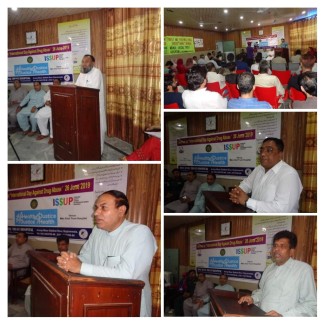
Seminar On Substance Use Organized by Mian Afzal Trust Hospital (MATH) Gujranwala Pakistan
A seminar on substance use was organized by Mian Afzal Trust Hospital, Gujranwala Pakistan in connection with the international day against drug abuse. The seminar was presided over by Mr. Sana Ullah Rathore, Director ISSUP Pakistan Chapter...