
Distinct groups of people within a society who share certain characteristics such as age, gender, geographic location, socioeconomic status, cultural background, or exposure to particular risk factors that may influence patterns of substance use, vulnerability to substance use disorders, and access to services. In the context of substance use systems, identifying and understanding different populations helps guide the design of prevention, treatment, recovery, and policy responses that are appropriate, equitable, and responsive to specific needs. Examples may include youth, women, people experiencing homelessness, individuals in the criminal justice system, or communities affected by specific social or economic conditions.

Populations
Call for Evidence on Cannabis - Royal College of Psychiatrists
About the Review The Royal College of Psychiatrists is undertaking a review to develop a College position on: cannabis use in the UK and how this relates to mental health, incorporating evidence on the biological, psychological and social...
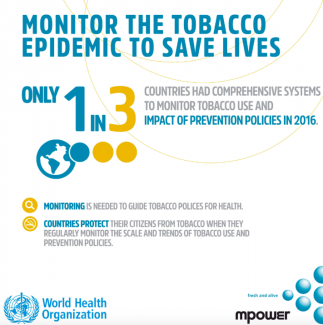
Tobacco Infographics
Tobacco threatens health, economies and development. Find out more through the following infographics: Moderating the tobacco epidemic to save lives. Protect more people from tobacco. Offer help to quit tobacco use. Clear the air. Protect...
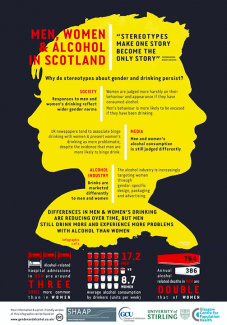
Gender and Alcohol Infographics
Based on recent research, Glasgow Caledonian University, Strathclyde University, SHAAP and Glasgow Centre for Population Health, have produced infographics to tackle stereotypes about men, women and drinking in Scotland.
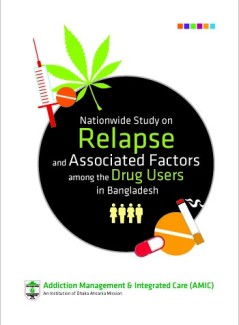
The Nationwide Study Report on Relapse and Associated Factors among Drug Users in Bangladesh
Geographical location and diverse cultural influence make Bangladesh vulnerable for substance use related problems. It is impairing public health, corrupting institutions, retarding socio-economic development, and in some cases, impacting...
Effectiveness Bank Analysis: Therapy ‘Toolbox’ Helps Rescue Poorly Recovering Patients at London Maintenance Clinic
Instead of a set programme, a clinic in London tried offering patients prescribed methadone or buprenorphine but still using heroin or cocaine a selection from a suite of well-supported psychological interventions tailored to the patient...
Not without my Mobile Phone: Alcohol Binge Drinking, Gender Violence and Technology in the Spanish Culture of Intoxication
Abstract The practice of binge drinking has in recent decades consolidated what is known as the ‘culture of intoxication’ among young people of Spain. This has coincided with the increase in the use of mobile-phone technology and of social...
Participate in Adfam Survey: Caring as a Result of Somebody Else's Substance Use
The purpose of this survey is to paint a better picture of what it is like to support someone with drug or alcohol problems. A clearer understanding of the issue will help the charity and social sector to effectively support you. You will...
Gender Differences in the Bidirectional Relationship between Alcohol Consumption and Sleeplessness
Abstract Background The degree to which the relationship between alcohol use and sleeplessness is unidirectional or reciprocal is unclear due to great variation among the results of previous studies. The aim of the present study was to...
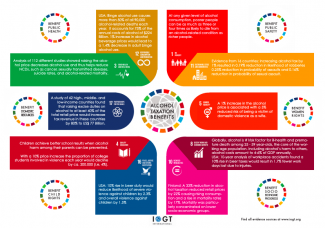
Alcohol Taxation Infographic
Alcohol taxation holds massive potential for global health, for helping achieve the sustainable development goals and also for significantly contributing to financing health and development. This infographic, designed by IOGT International...
Youth Perspective on Parental Approaches to Substance Use
Reducing the harms of youth substance use is a global priority. Parents have the potential to play a key role in these efforts. However, it is felt that parents are often unsure about how to address substance use with their children. Parent...