
Distinct groups of people within a society who share certain characteristics such as age, gender, geographic location, socioeconomic status, cultural background, or exposure to particular risk factors that may influence patterns of substance use, vulnerability to substance use disorders, and access to services. In the context of substance use systems, identifying and understanding different populations helps guide the design of prevention, treatment, recovery, and policy responses that are appropriate, equitable, and responsive to specific needs. Examples may include youth, women, people experiencing homelessness, individuals in the criminal justice system, or communities affected by specific social or economic conditions.
Populations
Opium Addiction Destroying Families
We are in the middle of the first quarter of the 21st century. It is a technologically advanced era, in which people across the world, and within a country are trying to excel in their lives, exploring new opportunities and trying to build...
Afghanistan National Drug Use Survey 2015
This five year survey is a global model for its rigor – the only national prevalence survey that I know of in the world where questionnaires were combined with 100% toxicology testing of three biological samples per person (hair, urine...
Opium Takes over Remote Villages in Afghanistan
Afghanistan is the world’s leading producer of illicit opium. This video takes us to a remote village in northeastern Afghanistan, where families meet for their daily ritual of opium smoking. The women in the video say that the drug is only...
Adolescence, Alcoholism and Interventions
Substance abuse entails a whole host of social, physical and mental health problems. A recent overview published in the Journal of Adolescent Health evaluates the effectiveness of interventions focused on smoking, alcohol or combined drug...
Family Voices Competition
Have you been affected by someone else's drug or alcohol use? Would you like to be able to tell your story? Adfam's Family Voices Competition allows friends and family members who have lived through someone else’s substance use to express...
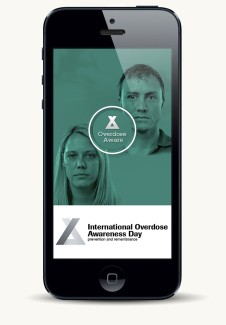
Overdose Aware App
The Overdose Aware App offers practical advice on the signs of overdose and what to do if those signs are present. It aims to raise awareness among those who are experiencing drug use and their families. The App provides only information...
Youth Who Misuse Drugs Are More Likely to Commit Suicide
Suicide ranks among the top five causes of death among 15- to 19-year-olds. Research has shown that youth who misuse drugs are more likely to commit suicide than their peers who do not abuse substances. An estimated 27-50 percent of...
Addiction as a Brain Disease
Even though scientific advances over the past decades have supported the concept of addiction as a brain disease, skepticism remains. Recent research has aimed to reinforce the link between addiction and brain functions and broaden the...
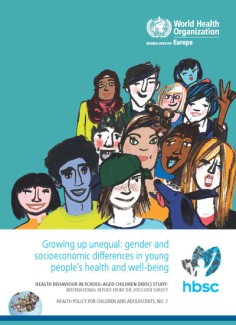
Growing up unequal: gender and socioeconomic differences in young people's health and well-being. Health Behaviour in School-aged Children (HBSC) study
This book is the latest addition to a series of reports on young people's health from the Health Behaviour in School-aged Children (HBSC) study: a WHO collaborative cross-national study that has provided information about the health, well...
International Standards on Drug Use Prevention
These global International Standards summarize the currently available scientific evidence, describing interventions and policies that have been found to result in positive prevention outcomes and their characteristics. Concurrently, the...