
Distinct groups of people within a society who share certain characteristics such as age, gender, geographic location, socioeconomic status, cultural background, or exposure to particular risk factors that may influence patterns of substance use, vulnerability to substance use disorders, and access to services. In the context of substance use systems, identifying and understanding different populations helps guide the design of prevention, treatment, recovery, and policy responses that are appropriate, equitable, and responsive to specific needs. Examples may include youth, women, people experiencing homelessness, individuals in the criminal justice system, or communities affected by specific social or economic conditions.
Populations
World Refugee Week
Last week was World Refugee Week and World Refugee Day was on June 20. UNODC showed solidarity on social media to mark that day. UNODC has piloted family skills programmes in line with the International Standard on Drug Use Prevention to...
Cannabis Use Patterns at the Dawn of US Cannabis Reform
Abstract In the United States (US), three in 10 cannabis users develop cannabis use disorder (CUD). Usage patterns in line with CUD may be associated with socio-economic disadvantage, and other negative effects. Thus, research on CUD is...
Prenatal Alcohol Screening During Pregnancy by Midwives and Nurses
Abstract Background Alcohol use during pregnancy can have a variety of harmful consequences on the fetus. Lifelong effects include growth restriction, characteristic facial anomalies, and neurobehavioral dysfunction. This range of effects...
Alcohol Use and Breast Cancer Risk
Despite the clear associations between alcohol consumption and breast cancer, public awareness of this issue is low.
UNODC takes an active role in the 2019 Society for Prevention Research Annual Conference
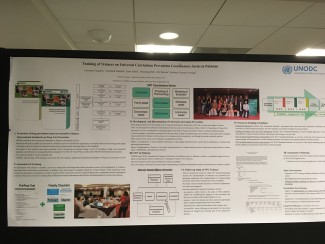
UNODC participated at the Society for Prevention Research Annual Conference held in San Francisco, 28-30 May 2019. UNODC presented in total 3 posters, one on the development of fidelity checklists, in particular, to measure fidelity of the...
Substance Use Prevention for Adolescents: The Icelandic Model
Back in the 1990s, results from the European School Survey Project on Alcohol and other Drugs (ESPAD) highlighted concerning levels of adolescent substance use in Iceland. Since the publication of the ESPAD results, Icelandic authorities...
DFPF Newsletter April-2019
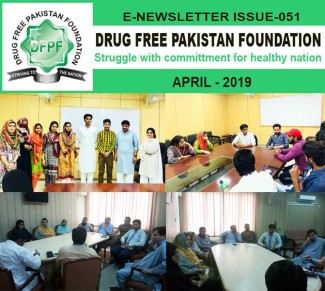
Monthly Newsletter from April 1, 2019 – April 30, 2019 During this month, Drug Free Pakistan Foundation (DFPF) had organized CVE training program for the hostel superintendents and faculty of University of Education, Lahore. DFPF field team...
Gender-Specific Substance Use Patterns and Associations with Individual, Family, Peer, and School Factors in 15-Year-Old Portuguese Adolescents: A Latent Class Regression Analysis
Background Adolescence is a critical period of vulnerability to substance use. Recent research has shown that gender differences in adolescence substance use are complex and in constant flux. The present study aims to investigate gender...
We are Family - Families and their Role in Prevention and Treatment of Drug Use, Crime and Violence, Including the Prevention of Recruitment into Violent Extremist Groups
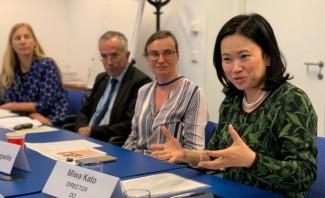
The 28th Commission on Crime Prevention and Criminal Justice (CCPCJ) is being held from 20 - 24 May 2019. On Monday, 20 May 2019 UNODC's Prevention Treatment and Rehabilitation Section organized a side event on We are Family: Families and...
Effectiveness Bank Analysis: ‘No Effect’ from Targeting Child Drinking via the Parents
Findings of this comprehensive review seem to almost entirely deflate what in the mid-2000s was a bubble of enthusiasm for parental programmes as a way to prevent or reduce drinking among teenagers - but despite this overall verdict, some...