
Distinct groups of people within a society who share certain characteristics such as age, gender, geographic location, socioeconomic status, cultural background, or exposure to particular risk factors that may influence patterns of substance use, vulnerability to substance use disorders, and access to services. In the context of substance use systems, identifying and understanding different populations helps guide the design of prevention, treatment, recovery, and policy responses that are appropriate, equitable, and responsive to specific needs. Examples may include youth, women, people experiencing homelessness, individuals in the criminal justice system, or communities affected by specific social or economic conditions.

Populations
BUILDING SAFER COMMUNITIES: A GUIDE TO PREVENTION WORK.
BUILDING SAFER COMMUNITIES: A GUIDE TO PREVENTION WORK. As a recovery ally and preventionist, I firmly believe in the power of research-backed strategies such as engaging young people in healthy activities, like sports, volunteering, or...
Trauma in families affected by substance use
Attendance
online
This one day training will equip practitioners to work more effectively with families affected by substance use where there is trauma. Participants will learn the neuroscience of trauma and practical strategies to support families.
- Date: Friday 13th June 2025, 9.30am - 3.30pm
- Trainer: Rebekah Allon-Smith
- Cost: £100
Learning outcomes:
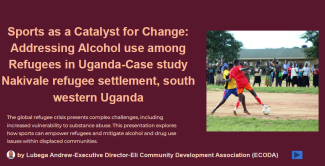
Sports as a Catalyst for Change: Addressing Alcohol use among Refugees in Uganda-Case study Nakivale refugee settlement, south western Uganda
The global refugee crisis presents complex challenges, including increased vulnerability to substance abuse. This presentation explores how sports can empower refugees and mitigate alcohol and drug use issues within displaced communities
Maternal cannabis use disorder and offspring behavioral outcomes: findings from a linked data cohort study
Few studies have looked into how cannabis use during pregnancy affects the development of disruptive behavioral disorders (DBDs) in children, often using small sample sizes and self-reported data. This study aimed to understand the link...
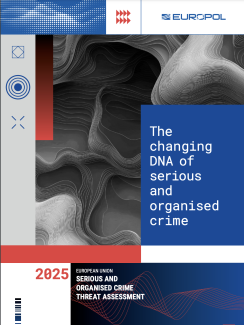
The changing DNA of serious and organised crime
Europol’s EU Serious and Organised Crime Threat Assessment (EU-SOCTA) 2025, published today, reveals how the very DNA of crime is shifting – reshaping the tactics, tools and structures employed by criminal networks. The EU-SOCTA offers one...
Spotlight on Dishon: New Youth Focal Point for ISSUP Kenya
My Reflections as a Youth Leader in Prevention: The Journey so far
Money Matters: Time for Prevention and Early Intervention to Address Family Economic Circumstances
Background Child poverty is linked to poorer physical and mental health, negative educational outcomes, and long-term social and psychological issues, all of which increase service demand and costs. Traditionally, prevention and early...
Anti-Stigma Network: Developing inclusion - substance use related stigma across general practise
Attendance
online
What positive steps can we make to ensure that stigmatisation within a GP setting is reduced for people who use drugs and alcohol? A person-centred approach, appropriate language and addressing implicit bias could be key. Hear from three healthcare providers across the UK and Ireland who share their experiences and tips for best practice.
Time: 12:30PM - 2PM UK Time
Substance Use Monitoring and Surveillance: Challenges faced by LMICs
Substance use surveillance has emerged as a crucial public health strategy across Africa, particularly in light of the alarming rise in substance use among adolescents (1). This trend poses significant health risks that require a...
ISSUP Nigeria Knowledge Update Series (26th Session): The Role of Family in Substance Use Prevention
ISSUP Nigeria presents the 26th session of its bi-monthly webinar in the Knowledge Update Series. This webinar focuses on the topic of 'The Role of Family in Substance Use Prevention'.