
Distinct groups of people within a society who share certain characteristics such as age, gender, geographic location, socioeconomic status, cultural background, or exposure to particular risk factors that may influence patterns of substance use, vulnerability to substance use disorders, and access to services. In the context of substance use systems, identifying and understanding different populations helps guide the design of prevention, treatment, recovery, and policy responses that are appropriate, equitable, and responsive to specific needs. Examples may include youth, women, people experiencing homelessness, individuals in the criminal justice system, or communities affected by specific social or economic conditions.
Populations
Family Treatment Drug Court Cost Analysis: An In-depth Look at the Cost and Savings of a Southeastern Family Treatment Drug Court
ABSTRACT This study examines the cost and benefits of a family treatment drug court (FTDC) in an urban county in a southeastern state. This study utilized a cost–benefit analysis that enters the costs of family treatment drug court and...
The impacts of family treatment drug court on child welfare core outcomes: A meta-analysis
ABSTRACT Background Substance abuse has been prevalent among caregivers involved in child welfare and is a major barrier to their achieving favorable outcomes. Family Treatment Drug Courts (FTDCs) have been viewed as one of the most...
Risk Behavior Among Slovak and Czech Adolescents Through the Lens of Self-Regulation, Prosociality, and Antisociality
INTRODUCTION: In the present article, we focused on the relationship between risk behaviour in adolescents, self-regulation, pro-sociality and anti-sociality. We work under the assumption that the development of the ability to self-regulate...
Addictions in Potential Sperm Donors: What is Possible to Control?
INTRODUCTION: Third-party sperm donation represents the sole viable option for conception for a considerable number of infertile couples. The donation process is predicated on ensuring the high quality and safety of the donated cells. While...
Common mental disorders and associated factors among Ethiopian prisoners: a systematic review and meta-analysis
Background: Common mental disorders are a major public health concern in the world and negatively influence people’s psychological, physical, economic, and overall well-being. Since prisoners live with restricted freedom and lack regular...
Global Estimates of the Prevalence of Depression among Prisoners: A Systematic Review and Meta‐analysis
Background. Prison populations tend to be marginalized and disadvantaged of the rights and freedoms that other people in the community benefit from. Their separation from families, a narrow room and lack of privacy in the prison, violence...
Webinar reflection: Exploring Multiple Pathways of Recovery
ISSUP, in collaboration with Faces & Voices of Recovery, has launched a new Global Recovery Network webinar series to spotlight diverse perspectives on recovery. The first webinar featured Dr. Haner Hernández, a respected expert in the...
UNODC World Drug Report
A global reference on drug markets, trends and policy developments, the World Drug Report offers a wealth of data and analysis and in 2025 comprises several elements tailored to different audiences.
UNODC World Drug Report 2025: Global instability compounding social, economic and security costs of the world drug problem
A new era of global instability has intensified challenges in addressing the world drug problem, empowering organized crime groups and pushing drug use to historically high levels, says the UN Office on Drugs and Crime (UNODC) in the World Drug Report 2025 launched today.
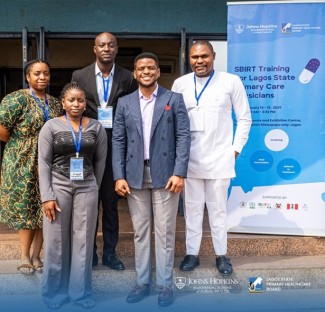
Transforming Primary Care in Lagos: How SBIRT Training is Addressing Nigeria's Substance Use Crisis
Breaking barriers and building capacity in Africa's most populous city.