
Distinct groups of people within a society who share certain characteristics such as age, gender, geographic location, socioeconomic status, cultural background, or exposure to particular risk factors that may influence patterns of substance use, vulnerability to substance use disorders, and access to services. In the context of substance use systems, identifying and understanding different populations helps guide the design of prevention, treatment, recovery, and policy responses that are appropriate, equitable, and responsive to specific needs. Examples may include youth, women, people experiencing homelessness, individuals in the criminal justice system, or communities affected by specific social or economic conditions.

Populations
A Deeper Look into the Roots of Substance Use Disorders
Addiction is often seen through the lens of poor choices or lack of willpower, but this view oversimplifies what is, in reality, a highly complex mental health condition. Through my academic journey in addiction counseling, I’ve come to...
A Deeper Look into the Roots of Substance Use Disorders
Addiction is often seen through the lens of poor choices or lack of willpower, but this view oversimplifies what is, in reality, a highly complex mental health condition. Through my academic journey in addiction counseling, I’ve come to...
BENEFITS OF ALLY AND PEER COLLABORATIONS IN RECOVERY WORK
Recovery Allies and Peer Recovery Support Specialists are highly resourceful individuals who can work collaboratively through actions that align with recovery principles. By working together from a science-based position and incorporating...
Beneath the Surface: Unraveling Childhood Trauma’s Role in Drug Addiction
Childhood is often painted as a carefree canvas, but for too many, it’s a battleground where unseen wounds are carved and wounds that echo into adolescence and beyond. In my project, Understanding the Impact of Childhood Trauma on Drug...
Resources for Building Compassionate and Responsive Recovery Systems
Recovery is not a one-size-fits-all process—it is dynamic, multifaceted, and deeply individual. To truly support individuals on their recovery journey, practitioners must access tools, systems, and knowledge that reflect the realities of those they serve.
Women’s Substance Use Treatment and Recovery
This report from the Centre of Excellence for Women’s Health reviews what we know about women’s substance use treatment and recovery in Canada. It highlights the need for trauma-informed, culturally sensitive, and family-focused care. Since...
Trauma in families affected by substance use
Attendance
online
Join our training course equip practitioners to work more effectively with families affected by substance use where there is trauma. Participants will learn the neuroscience of trauma and practical strategies to support families.
Time: 9:30am - 3:30pm UK
Trainer: Rebekah Allon-Smith
Tickets: £100
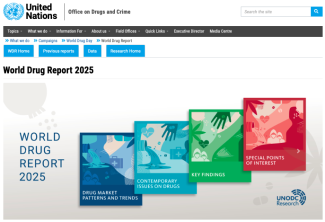
World Drug Report 2025
On July 2nd, 2025, ISSUP had the privilege of hosting a webinar outlining highlights from the 2025 edition of the World Drug Report (WDR), presented by Ms. Giovanna Campello, Chief of the Prevention, Treatment and Rehabilitation Section at...
A Call for Trauma-Informed Justice Reform in Nigeria: Breaking the Cycle of Substance Use, Mental Illness, and Incarceration
By Seye Omiyefa Across Nigeria and many parts of the world, thousands of individuals, particularly youth and economically marginalized people, are trapped in a revolving door of arrest, incarceration, and reentry. Much of this cycle is...
Making a Difference Across Illinois
BOOSTING TREATMENT SUCCESS & VALUE People referred to substance use treatment by the justice system (courts, probation, parole) are significantly more likely to complete it when they also receive TASC (Treatment Accountability for Safer...