
Populations

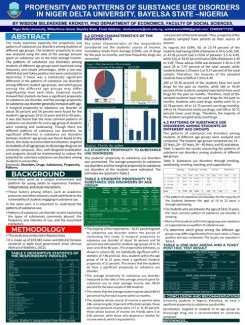
Distinct groups of people within a society who share certain characteristics such as age, gender, geographic location, socioeconomic status, cultural background, or exposure to particular risk factors that may influence patterns of substance use, vulnerability to substance use disorders, and access to services. In the context of substance use systems, identifying and understanding different populations helps guide the design of prevention, treatment, recovery, and policy responses that are appropriate, equitable, and responsive to specific needs. Examples may include youth, women, people experiencing homelessness, individuals in the criminal justice system, or communities affected by specific social or economic conditions. 
Contemporary Drug Problems Conference

Event Date
 - 
Paris
France

Building on CDP’s previous conferences, which have opened up questions of how drugs are problematised; how the complexity of drug use can be attended to; how drug use might be understood as an event, assemblage or phenomenon; how drugs and their effects are constituted in various forms of practice and interactions/intra-actions, and how we might rethink change.

Working with families: Reading list

Reading List
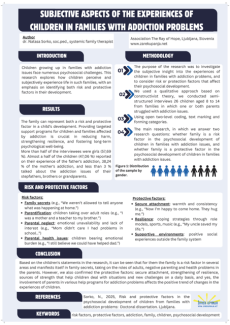
Exploring the dynamics of substance use's ripple effect within families reveals a complex web of emotions, relationships, and challenges. These recommended readings explore the impact that substance use can have on family members. Through...

Families of people who use drugs: health and social responses

Guide
This miniguide is one of a larger set, which together comprise Health and social responses to drug problems: a European guide. It provides an overview of the most important aspects to consider when planning or delivering health and social...