
Distinct groups of people within a society who share certain characteristics such as age, gender, geographic location, socioeconomic status, cultural background, or exposure to particular risk factors that may influence patterns of substance use, vulnerability to substance use disorders, and access to services. In the context of substance use systems, identifying and understanding different populations helps guide the design of prevention, treatment, recovery, and policy responses that are appropriate, equitable, and responsive to specific needs. Examples may include youth, women, people experiencing homelessness, individuals in the criminal justice system, or communities affected by specific social or economic conditions.
Populations
Tobacco Use during Pregnancy and Its Associated Factors in a Mountain District of Eastern Nepal
Background: Tobacco using among women is more prevalent in Nepal as compared to other South-East Asian countries. The effect of its use is seen not only on the pregnant women, but also health of the growing fetus is compromised. Currently...
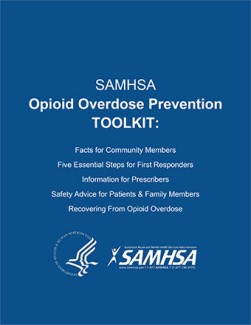
SAMHSA Opioid Overdose Prevention Toolkit
This toolkit offers strategies to health care providers, communities, and local governments for developing practices and policies to help prevent opioid-related overdoses and deaths. Access reports for community members, prescribers...
ISSUP Staff in the Spotlight: Joanna Travis-Roberts
This week we caught up with ISSUP's Deputy Executive Director.
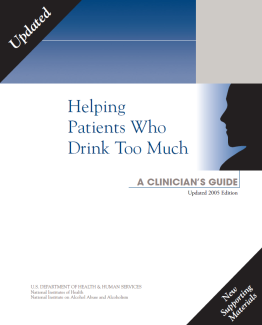
Helping Patients Who Drink Too Much: A Clinician’s Guide
Introduction This Guideis written for primary care and mental health clinicians. It has been produced by the National Institute on Alcohol Abuse and Alcoholism (NIAAA),a component of the National Institutes of Health, with guidance from...
Systematic Review of Screening Instruments for Psychosocial Problems in Children and Adolescents with Long-Term Physical Conditions
Abstract Children and adolescents with long-term physical conditions (LTPCs) are at greater risk of developing psychosocial problems. Screening for such problems may be undertaken using validated psychometric instruments to facilitate early...
Contextual Factors Associated with Marijuana Use in School Population
ABSTRACT Introduction: Marijuana use among the student population has increased in Mexico and Latin America. There are social, interpersonal and individual factors associated with the onset and continuation of marijuana use. These include...
Sexual Orientation and Estimates of Adult Substance Use and Mental Health
Abstract Background: Research suggests that sexual minorities (e.g. people who identify as lesbian, gay, or bisexual) are at greater risk for substance use and mental health issues compared with the sexual majority population that...
Moderate Alcohol Consumption as Risk Factor for Adverse Brain Outcomes and Cognitive Decline
Abstract Objectives: To investigate whether moderate alcohol consumption has a favourable or adverse association or no association with brain structure and function. Design: Observational cohort study with weekly alcohol intake and...
"Does Red Bull Give Vodka Wings?"
New research that will be published in the new edition of the Journal of Consumer Psychology sets out to answer the question: ‘Does Red Bull Give Wings to Vodka?’ "Red Bull has long used the slogan 'Red Bull gives you wings,' but our study...
Gender-Specific Predictors of At-Risk Adolescents’ Hazardous Alcohol Use
Abstract Background Previous research has found strong associations between adolescents’ hazardous alcohol use and their perception of peer behavior, as well as own spending money and a range of antisocial behaviors. However, there is...