Populations

Distinct groups of people within a society who share certain characteristics such as age, gender, geographic location, socioeconomic status, cultural background, or exposure to particular risk factors that may influence patterns of substance use, vulnerability to substance use disorders, and access to services. In the context of substance use systems, identifying and understanding different populations helps guide the design of prevention, treatment, recovery, and policy responses that are appropriate, equitable, and responsive to specific needs. Examples may include youth, women, people experiencing homelessness, individuals in the criminal justice system, or communities affected by specific social or economic conditions. 
World Mental Health Day 2017

News
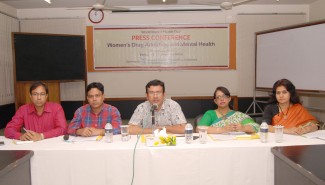
Dhaka: World Mental Health Day Speakers at a press conference at Dhaka Ahsania Mission (DAM) called for taking comprehensive steps for preventing the use of drugs among women, saying that drug addiction affects women's mental health as well...
Ahsania Mission Female Drug Treatment and Rehabilitation Centre

Patterns of Polydrug Use among Pregnant Substance Abusers

Scientific article
 - 
Abstract Aim: Studies of drug use during pregnancy have generally focused on individual substances or specific combinations of drugs. The aim of this article is to increase our knowledge about polydrug use and pregnancy in a Nordic context...

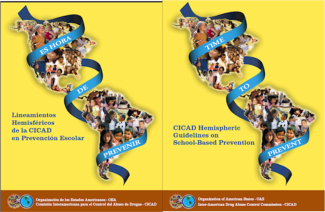
CICAD Hemispheric Guidelines on School-Based Prevention

Book
 - 
As developed by CICAD's Expert Group on Demand Reduction and approved by the Commission in 2004, these guidelines speak to strategies to conduct research, create educational materials, train teachers, and carry out and evaluate prevention...