
Distinct groups of people within a society who share certain characteristics such as age, gender, geographic location, socioeconomic status, cultural background, or exposure to particular risk factors that may influence patterns of substance use, vulnerability to substance use disorders, and access to services. In the context of substance use systems, identifying and understanding different populations helps guide the design of prevention, treatment, recovery, and policy responses that are appropriate, equitable, and responsive to specific needs. Examples may include youth, women, people experiencing homelessness, individuals in the criminal justice system, or communities affected by specific social or economic conditions.
Populations
Binge Drinking and Total Alcohol Consumption from 16 to 43 Years of Age Are Associated with Elevated Fasting Plasma Glucose in Women
Abstract Background Studies have indicated that moderate alcohol consumption is associated with lower incidence of diabetes in women. However, not only the amount but also the drinking pattern could be of importance when assessing the...
Drug Use in England and Wales
Illegal drug use trends among 16- to 59-year-olds in England and Wales are examined in a new UK Home Office release based on the findings from the 2016 – 2017 Crime Survey for England and Wales (CSEW). The survey used a representative...
N.E. Fentanyl Deaths 'Like No Other Epidemic' - Boston Globe
Mexican cartels are delivering vast quantities of the inexpensive and powerful synthetic drug fentanyl to New England, causing the highest rate of fentanyl-related deaths in the nation while creating a plague that the area’s top drug...
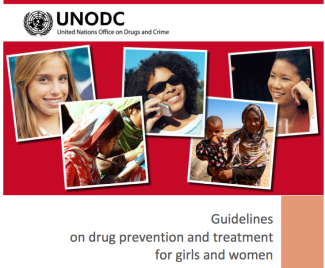
Guidelines on Drug Prevention and Treatment for Girls and Women
The publication Guidelines on Drug Prevention and Treatment for Girls and Women by the United Nations Office on Drugs and Crime (UNODC) discusses alcohol and drug use prevalence and trends among girls and women globally. The document...
Addressing Alcohol Use Practice Manual
Risky alcohol use, defined as any level of alcohol consumption which increases the risk of harm to oneself or others, is both a substance use disorder and medical issue. Recognized as one of the leading preventable causes of death, risky...
Infant Morbidity and Mortality Attributable to Prenatal Smoking in Chile
Abstract Objective: To estimate annual infant morbidity and mortality attributable to prenatal smoking in Chile during 2008−2012. Methods: Population-attributable fractions (PAFs) for several infant outcomes were calculated based on...
Advertising of Tobacco Products at Point of Sale: Who Are More Exposed in Brazil?
Abstract Objective: To describe the adult population perception of cigarette advertising at point of sale, according to their tobacco use status and socio-demographic characteristics such as sex, age, race/color, region, household location...
Physicians’ Views on the Role of Smoking in Smoking-Related Diseases
Abstract Background Previous reports have shown that physicians who smoke underestimate the effects of smoking on health and this influences their practice. This study was designed to investigate the views of Estonian physicians on the role...
Family Therapy for Adolescents with Behavioural Problems
Multidimensional family therapy addresses: Mental health, substance use and other behavioural issues affecting young people The parents’ childrearing skills/personal functioning Parent-child communication/relationship Family members' social...
Long-Term Effects of the Strong African American Families Programme on Youths’ Alcohol Use
Long-term results from an alcohol use prevention programme developed for poor black US families with 11-year-old children reinforce the potential of an approach which engages parents and children to improve parenting and change the children...