Populations

Distinct groups of people within a society who share certain characteristics such as age, gender, geographic location, socioeconomic status, cultural background, or exposure to particular risk factors that may influence patterns of substance use, vulnerability to substance use disorders, and access to services. In the context of substance use systems, identifying and understanding different populations helps guide the design of prevention, treatment, recovery, and policy responses that are appropriate, equitable, and responsive to specific needs. Examples may include youth, women, people experiencing homelessness, individuals in the criminal justice system, or communities affected by specific social or economic conditions. 
Risk and Resilience among Out-Of-School Youth in South Africa

Scientific article
Lisa Wegner , Joachim Jacobs, Renette J Blignaut, Innocent Karangwa, Elizabeth Weybright, Linda Lee Caldwell, Edward Allan Smith South African youth experience many challenges including unemployment, poverty, disorganised families, health...

Quality Measurers of Therapeutic Communities for Substance Dependence

Scientific article
 - 
Abstract Background In Latin America, substance related disorders are highly prevalent and one of the treatment strategies is the Therapeutic Communities (TCs), however, in Latin America there is scarce data about this treatment strategies...

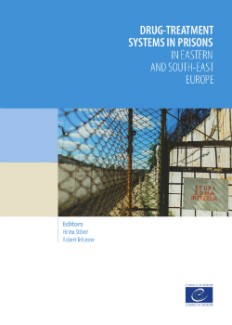
Drug-Treatment Systems in Prisons in Eastern and South-East Europe

Book
 - 
This research project on drug-treatment systems in prisons in Eastern and South-East Europe looks in detail into the situation of drug users among criminal justice populations and the corresponding health-care responses in nine countries in...

Effectiveness Bank Hot Topic: The ‘Forgotten’ Carers

Book
 - 
One of our selection of hot topics on important issues which sometimes generate heated debate. Both as a treatment resource for the patient and a group needing support in their own right, families affected by substance use are, claimed a UK...