Populations

Distinct groups of people within a society who share certain characteristics such as age, gender, geographic location, socioeconomic status, cultural background, or exposure to particular risk factors that may influence patterns of substance use, vulnerability to substance use disorders, and access to services. In the context of substance use systems, identifying and understanding different populations helps guide the design of prevention, treatment, recovery, and policy responses that are appropriate, equitable, and responsive to specific needs. Examples may include youth, women, people experiencing homelessness, individuals in the criminal justice system, or communities affected by specific social or economic conditions. 

SAMHSA Tobacco-Free Recovery Grant 2018

News
The Substance Abuse and Mental Health Services Administration (SAMHSA) National Center of Excellence for Tobacco-Free Recovery Grant is now open for applications. Offering up to 5 million USD the grant can be used for a range of projects...
SAMHSA Tobacco-Free Recovery Grant

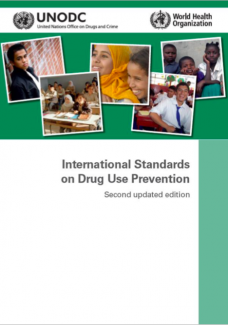
International Standards on Drug Use Prevention

Book
The second edition of the publication, International Standards on Drug Use Prevention, published by the United Nations Office on Drugs and Crime (UNODC) and the World Health Organization has been released. The document offers guidance for...
International Standards on Drug Use Prevention

Substance Use amongst University Students in Ethiopia

Scientific article
 - 
A study published in the Substance Abuse Treatment, Prevention, and Policy journal details the prevalence of substance use amongst students from Debre Berhan University in Central Ethiopia. Substance use behaviors of 695 students were...