
Distinct groups of people within a society who share certain characteristics such as age, gender, geographic location, socioeconomic status, cultural background, or exposure to particular risk factors that may influence patterns of substance use, vulnerability to substance use disorders, and access to services. In the context of substance use systems, identifying and understanding different populations helps guide the design of prevention, treatment, recovery, and policy responses that are appropriate, equitable, and responsive to specific needs. Examples may include youth, women, people experiencing homelessness, individuals in the criminal justice system, or communities affected by specific social or economic conditions.
Populations
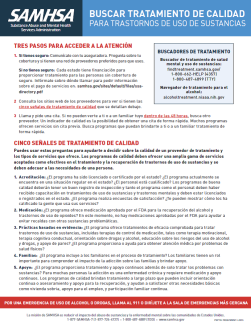
Seek quality treatment for substance use disorders
This fact sheet can be used as a guide for people seeking mental health treatment. It offers three steps to carry out before using a treatment center, as well as the five signs of a treatment center of quality, which includes reviewing the...
Barriers to Addiction Prevention and Treatment in Communities with Organized Crime: The Perspective of Health Providers
ABSTRACT Introduction: The presence of organized crime may encourage an increase in the supply of illicit substances, the incorporation of young people into crime, the promotion of substance-oriented lifestyles, and the use of violent...
Pennsylvania Hospital Becomes OUD Treatment Model after Working with PCSS during Pilot Program
Hanover Hospital and its affiliated healthcare clinics has become a model for how a healthcare system that is fully engaged in embracing evidence-based treatment of opioid use disorders can make significant change. A little more than a year...
Genetic Etiology for Alcohol-Induced Cardiac Toxicity
Abstract Background: Alcoholic cardiomyopathy (ACM) is defined by a dilated and impaired left ventricle due to chronic excess alcohol consumption. It is largely unknown which factors determine cardiac toxicity on exposure to alcohol...
Effectiveness Bank Matrix Cell: Psychosocial Treatment; Individuals, Not Programmes
Every treatment involves direct or indirect human interaction, but this cell is about interventions in which interaction is the main ingredient, from mutual support groups through to professionally delivered psychological programmes....
Spotlight on ISSUP Senior Website Developer Jack Tonkin
We would like to let you know a bit more about the team working hard to help shape and grow ISSUP with a series of spotlight articles. We are kicking off this year's series by shining a light on our Senior Website Developer, Jack Tonkin...
Pregnancy & Opioids Guide
INTRODUCTION Is there a young woman in your life who is pregnant and misusing or addicted to opioids? Perhaps it’s your daughter or granddaughter, your son’s girlfriend or wife, a niece or a friend. Here you’ll find information to help her...
Improving Quality of Life: Substance Use and Ageing
The Canadian Centre on Substance Use and Addiction (CCSA) has released a resource focusing on substance use in ageing populations. The document covers the consequences of substance use in older adults, health conditions which might occur...
The Hardest Hit: Addressing the Crisis in Alcohol Treatment Services
This research, launched at the All Party Parliamentary Group on Alcohol Harm on 1 May 2018, warns that the alcohol treatment sector is in crisis. These services are entering into a cycle of disinvestment, staff depletion, and reduced...
Medical Marijuana Users Are More Likely to Use Prescription Drugs Medically and Nonmedically
ABSTRACT Objectives: Previous studies have found a negative population-level correlation between medical marijuana availability in US states, and trends in medical and nonmedical prescription drug use. These studies have been interpreted as...