

Distinct groups of people within a society who share certain characteristics such as age, gender, geographic location, socioeconomic status, cultural background, or exposure to particular risk factors that may influence patterns of substance use, vulnerability to substance use disorders, and access to services. In the context of substance use systems, identifying and understanding different populations helps guide the design of prevention, treatment, recovery, and policy responses that are appropriate, equitable, and responsive to specific needs. Examples may include youth, women, people experiencing homelessness, individuals in the criminal justice system, or communities affected by specific social or economic conditions.
Populations
Application of Research Design and Methods for Optimizing Prevention Science: Optimizing the Use of Free Online Technological Tools to Monitor Prevention Program Implementation and Outcomes in Chile
This abstract was presented at the 2018 Society for Prevention Research Annual Meeting which was held May 29 – June 1, 2018 in Washington, DC, US. Camila Astrain San Carlos de Maipo Foundation; Maria Luisa Correa, Fundación San Carlos de...
Application of Research Design and Methods for Optimizing Prevention Science: For Whom Do Parenting Interventions to Prevent Adolescent Substance Use Work?
This abstract was presented at the 2018 Society for Prevention Research Annual Meeting which was held May 29 – June 1, 2018 in Washington, DC, US. Diego Garcia-Huidobro Pontificia Universidad Catolica de Chile; Jennifer L. Doty, University...
Webinar: Authentic Self-Care for Addiction Professionals
Many of us are drawn to addiction work due to our history, family, and personal traits, such as compassion and empathy. While these experiences and strengths can be great assets, they can also be detrimental without care and awareness. In...
Effectiveness Bank Matrix Cell: Intervening to Safeguard the Community
Key studies on treatment’s contribution to safeguarding the community and preventing crime. Commentary addresses two highly controversial issues: whether it is ever safe to leave children with seriously problematic drug users, and the...
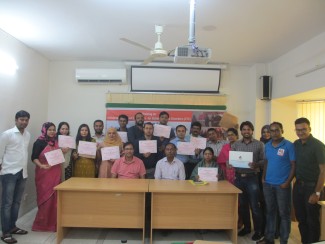
The Closing Ceremony of Basic Counseling Training and Handover of ICAP 1 Certificates
Dhaka Ahsania Mission (DAM) has organized a five-day long Basic Counseling Training for Addiction Professionals, including doctors, counselors, managers and other staff from the country’s different drug treatment and rehabilitation centers...
Influence of Parental Alcohol Dependence on Parenting and Risking Drinking
A study published in the journal of Alcoholism Clinical and Experimental Research explores the association between parental alcohol problems and subsequent risky drinking and behavioural issues in adolescents. The study utilised a sample of...
Substance Use Prevention Important to Achieve SDG Goals
World Leaders have been committed to fulfilling the 169 targets in achieving the 17 goals of Sustainable Development Goals (SDGs) by 2030, among these Substance Use Prevention and Treatment is one of the most important targets. Substance...
Family Management Risk and Protective Factors for Adolescent Substance Use in South Africa
Abstract Background An increasingly recognised prevention approach for substance use entails a reduction in risk factors, and the enhancement of promotive, or protective factors in individuals and the environment surrounding them during...
Ibogaine Treatment Outcomes for Opioid Dependence from a Twelve-Month Follow-Up Observational Study
ABSTRACT Background: The psychoactive indole alkaloid ibogaine has been associated with encouraging treatment outcomes for opioid dependence. The legal status of ibogaine in New Zealand provides a unique opportunity to evaluate durability...
Treatment of Opioid Use Disorder with Ibogaine: Detoxification and Drug Use Outcomes
ABSTRACT Background: Ibogaine is a monoterpene indole alkaloid used in medical and nonmedical settings for the treatment of opioid use disorder. Its mechanism of action is apparently novel. There are no published prospective studies of drug...