Populations

Distinct groups of people within a society who share certain characteristics such as age, gender, geographic location, socioeconomic status, cultural background, or exposure to particular risk factors that may influence patterns of substance use, vulnerability to substance use disorders, and access to services. In the context of substance use systems, identifying and understanding different populations helps guide the design of prevention, treatment, recovery, and policy responses that are appropriate, equitable, and responsive to specific needs. Examples may include youth, women, people experiencing homelessness, individuals in the criminal justice system, or communities affected by specific social or economic conditions. 
Families Awareness Week 2023

News
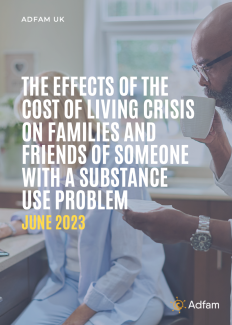
Adfam is a UK charity tackling the negative effects of substance use on families and friends. This week is Families Awareness Week 2023 (26 June - 2 July), Adfam’s campaign to raise awareness of the 5 million people in the UK negatively...

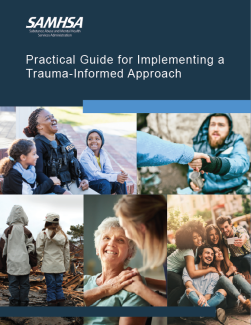
Practical Guide for Implementing a Trauma-Informed Approach

Book
The guide specifically focuses on tools and strategies for implementing a trauma-informed approach. This guide highlights the need for organizational assessment of readiness and capacity before implementing trauma-informed approach and...

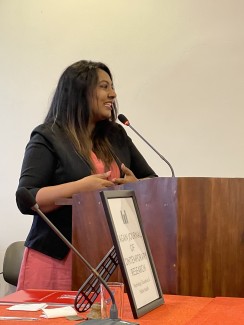
Seminar on Youth Participation in Substance Use Prevention

News
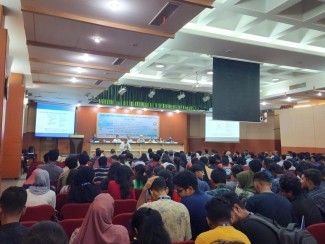
To build an affluent society, the youth must be involved in prevention of substance - Director General, Department of Narcotics Control Youth is the time for our brain to grow and develop. Using of substances at a young age affect brain...
Youth

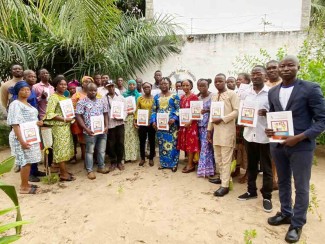
Family Day: NGO launches an information guide for parents

News
On the occasion of the International Day of the Family, celebrated on May 15 each year, the NGO RAPAA (Research Action Prevention Accompaniment of Addictions) organized a ceremony to launch a guide for families. This brochure aims to inform...