Populations

Distinct groups of people within a society who share certain characteristics such as age, gender, geographic location, socioeconomic status, cultural background, or exposure to particular risk factors that may influence patterns of substance use, vulnerability to substance use disorders, and access to services. In the context of substance use systems, identifying and understanding different populations helps guide the design of prevention, treatment, recovery, and policy responses that are appropriate, equitable, and responsive to specific needs. Examples may include youth, women, people experiencing homelessness, individuals in the criminal justice system, or communities affected by specific social or economic conditions. 

Working with families: Reading list

Reading List
Exploring the dynamics of substance use's ripple effect within families reveals a complex web of emotions, relationships, and challenges. These recommended readings explore the impact that substance use can have on family members. Through...

The Power of Parenting Skills in Family Recovery

News
When the shadow of substance use looms over a home, parental skills assume a crucial role in building an environment of recovery and growth for the whole family. This article explores the importance of these essential skills, supported by...
O poder das Habilidades Parentais na Recuperação Familiar

Kenya Substance Use Prevention Shaping Up

News
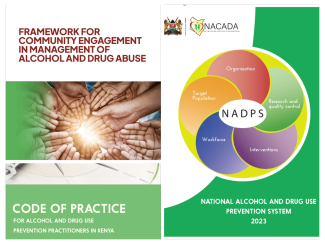
In 2021, Kenya through the National Authority for the Campaign against Alcohol and Drug Abuse (NACADA) developed the National Guidelines on Alcohol and Drug Use Prevention. The goal of the Guidelines was to establish minimum requirements...