
Distinct groups of people within a society who share certain characteristics such as age, gender, geographic location, socioeconomic status, cultural background, or exposure to particular risk factors that may influence patterns of substance use, vulnerability to substance use disorders, and access to services. In the context of substance use systems, identifying and understanding different populations helps guide the design of prevention, treatment, recovery, and policy responses that are appropriate, equitable, and responsive to specific needs. Examples may include youth, women, people experiencing homelessness, individuals in the criminal justice system, or communities affected by specific social or economic conditions.
Populations
Associations of Perceived Interparental Relationship, Family Harmony and Family Happiness with Smoking Intention in Never-Smoking Chinese Children and Adolescents
Abstract Objective: To examine the associations of perceived interparental relationship, family harmony and family happiness with smoking intention in never-smoking Chinese children and adolescents in Hong Kong. Design, settings and...
World Mental Health Day 2017
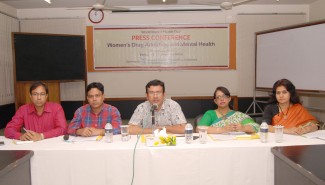
Dhaka: World Mental Health Day Speakers at a press conference at Dhaka Ahsania Mission (DAM) called for taking comprehensive steps for preventing the use of drugs among women, saying that drug addiction affects women's mental health as well...
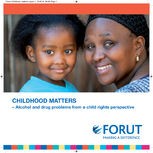
Childhood Matters: Alcohol and Drug Problems from a Child Rights Perspective
Millions of children globally suffer as a consequence of the use of intoxicating substances like alcohol and illicit drugs. This is an important, but too often neglected, child rights issue. The new FORUT publication “Childhood matters”...
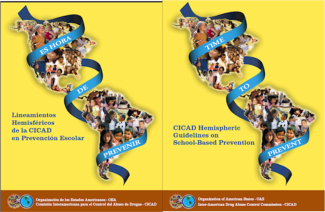
CICAD Hemispheric Guidelines on School-Based Prevention
As developed by CICAD's Expert Group on Demand Reduction and approved by the Commission in 2004, these guidelines speak to strategies to conduct research, create educational materials, train teachers, and carry out and evaluate prevention...
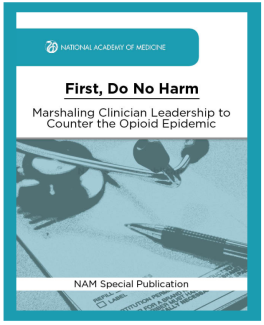
National Academy of Medicine Releases New Special Publication Guide
September 21, 2017 Halting the opioid epidemic requires aggressive action across multiple dimensions, including informed, active, and determined front-line leadership from health clinicians working in every setting throughout the nation...
New National Alcohol Policy launched by Minster of Health
The new National Alcohol Policy for Malawi has been in the making since 2008, a process originally initiated by a group of NGOs. On the 18th of August almost ten years later the Minister of Health, Atupele Muluzi, could launch the final...
How States Are Tackling the Opioid Crisis
ABSTRACT Objectives: We used data from the 2015 National Association of State Alcohol and Drug Abuse Directors Web-based questionnaire and other sources to demonstrate the range and scope of state initiatives being used to deal with the...
Opioid Use and Opioid Use Disorder in Pregnancy
ABSTRACT Opioid use in pregnancy has escalated dramatically in recent years, paralleling the epidemic observed in the general population. To combat the opioid epidemic, all health care providers need to take an active role. Pregnancy...
Teachers and Coaches in Adolescent Social Networks Are Associated with Healthier Self-Concept and Decreased Substance Use
ABSTRACT BACKGROUND Poor academic (eg. “I am a bad student”) and behavioral (eg. “I am a troublemaker”) self-concepts are strongly linked to adolescent substance use. Social networks likely influence self-concept. However, little is...
Socioeconomic Position and Adolescent Drinking: What's the Link?
To what extent does socioeconomic position affect adolescent drinking behaviours? A new article recently published in the academic journal BMC Public Health addresses this question in the context of six different European countries among...