
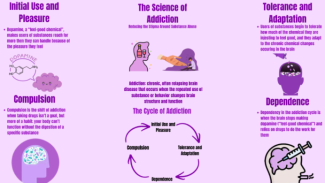
Psychoactive Substances

Psychoactive substances are natural or synthetic substances that act on the central nervous system and alter mental processes such as mood, perception, cognition, consciousness, and behaviour. These substances may be legally prescribed medications (e.g., pain medications or sedatives), legally available substances such as alcohol or caffeine, or controlled or illicit drugs. Psychoactive substances can be used for medical, social, cultural, or recreational purposes, but some carry risks of misuse, dependence, and health or social harms when used in harmful ways. 
Alcohol’s Effects on the Lung and Lung Disease

Scientific article
 - 
Abstract PURPOSE: Alcohol misuse is widely accepted as an independent risk factor for a wide variety of lung diseases, such as pneumonia and acute respiratory distress syndrome. Alcohol induces changes in the regulatory mechanisms of the...

Alcohol Labelling: Czech Expert Perspectives and Recommendations

Scientific article
 - 
INTRODUCTION: Consumption of alcohol has significant influence on the physical and mental health of the Czech population. Nevertheless, public awareness of alcohol-related consequences in the Czech Republic remains inadequate. One potential...

International Cannabinoid Research Society Symposium

Event Date
 - 
Dijon
France

The International Cannabinoid Research Society is delighted to announce that our 36th annual ICRS Symposium will be held from June 28-July 2 – in Dijon, France. The Symposium will open with a welcome reception on June 28 and close on the evening of July 2, with a departure date on July 3

49th Annual RSA Scientific Meeting

Event Date
 - 
San Antonio
United States

The primary goal of the Annual Scientific Meeting (“Meeting”) is to provide a forum for alcohol researchers – from all disciplines – to present their latest findings and to learn about new research developments in an environment that will provide interaction at both the professional and personal level.