
Psychoactive substances are natural or synthetic substances that act on the central nervous system and alter mental processes such as mood, perception, cognition, consciousness, and behaviour. These substances may be legally prescribed medications (e.g., pain medications or sedatives), legally available substances such as alcohol or caffeine, or controlled or illicit drugs. Psychoactive substances can be used for medical, social, cultural, or recreational purposes, but some carry risks of misuse, dependence, and health or social harms when used in harmful ways.
Psychoactive Substances
Personal Impacts of Substance Use
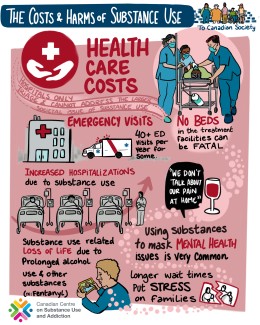
The Canadian Centre on Substance Use and Addiction (CCSA) transforms complex data into insights that reflect real human experiences. Every aspect of the Canadian Substance Use Cost and Harms (CSUCH) project represents individuals with lived...
Children, mothers with SUDs and protection systems
ISSUP Argentina presents its webinar on Childhood, mothers with SUDs and protection systems.
Initial stakeholder perceptions around opioid settlement funds in Pennsylvania
Background The opioid epidemic continues to pose significant challenges in the United States, with over 75% of nearly 107,000 drug overdose deaths in 2022 involving opioids. Recently, efforts to curb the epidemic have made strides...
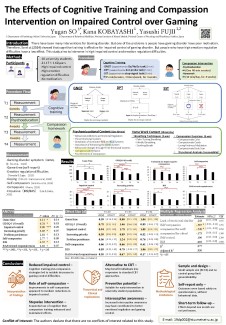
The Effects of Cognitive Training and Compassion Intervention on Impaired Control over Gaming
Background and Objectives: Cognitive behavioral therapy (CBT) is the first-line treatment for gaming disorder (GD), as it addresses background factors. However, certain limitations exist. Cognitive training has been explored as an...
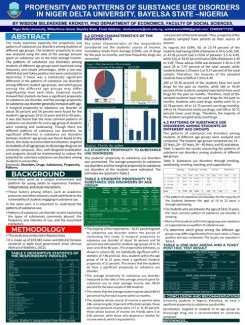
Propensity and Patterns of Substance Use Disorders in Niger Delta University, Bayelsa State –Nigeria
The study specifically examines the propensity and patterns of substance use disorders among students of different age groups. The students’ propensity to save was analyzed using the ratio of the average amount spent on substance use to the...
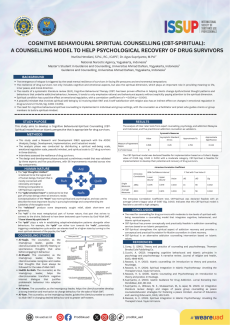
Cognitive Behavioural-Spiritual Counselling Model (CBT-Spiritual) in Resiliency Enhancement for People with Substance Abuse Disorder
Drug abuse is increasingly concerning, requiring a rehabilitative approach through effective counselling by the Indonesian Government by strengthening drug prevention and eradication, because drug abuse in Indonesia is increasingly...
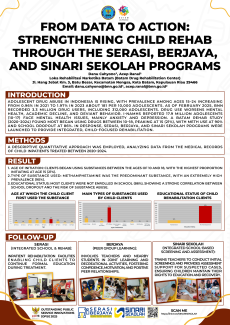
From Data to Action: Strengthening Child Rehabilitation through the SERASI, BERJAYA, and SINARI Sekolah Programs
Adolescent drug abuse in Indonesia is rising, with prevalence among ages 15-24 increasing from .96% IN 2021 to 1.97% in 2023. About 181 per 10,000 adolescents as of February 2025. BNN recorded 3.3 million drug users, including 312,000...
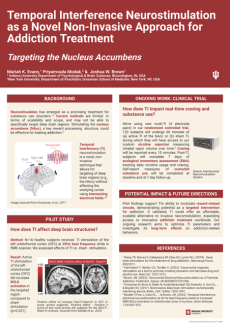
Temporal Interference Neurostimulation as a Novel Non-Invasive Approach for Addiction Treatment: Targeting the Nucleus Accumbens
Background. Substance use disorders (SUDs) remain a major global health burden. Neurostimulation has emerged as a promising treatment by directly altering brain circuits implicated in addictive behaviors, but current methods are limited in...
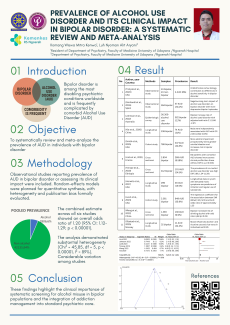
PREVALENCE OF ALCOHOL USE DISORDER AND ITS CLINICAL IMPACT IN BIPOLAR DISORDER: A SYSTEMATIC REVIEW AND META-ANALYSIS
Introduction: Bipolar disorder is among the most disabling psychiatric conditions worldwide and is frequently complicated by comorbid substance use disorders. Alcohol Use Disorder (AUD) is one of the most prevalent comorbidities, yet...
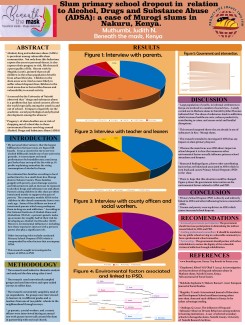
Slum primary school dropout in relation to Alcohol, Drugs and Substance Abuse (ADSA): A Case of Murogi slums in Nakuru, Kenya
Background My observation is that the largest billboards in Kenya are liquor billboards explaining somewhat the rising consumption of alcohol in Kenya. This has burdened the nation with diseased parents who are raising children under the...