
Psychoactive substances are natural or synthetic substances that act on the central nervous system and alter mental processes such as mood, perception, cognition, consciousness, and behaviour. These substances may be legally prescribed medications (e.g., pain medications or sedatives), legally available substances such as alcohol or caffeine, or controlled or illicit drugs. Psychoactive substances can be used for medical, social, cultural, or recreational purposes, but some carry risks of misuse, dependence, and health or social harms when used in harmful ways.
Psychoactive Substances
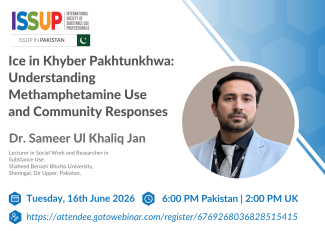
Ice in Khyber Pakhtunkhwa: Understanding Methamphetamine Use and Community Responses
Attendance
online
ISSUP in Pakistan presents 'Ice in Khyber Pakhtunkhwa: Understanding Methamphetamine Use
and Community Responses', a webinar with Dr. Sameer Ul Khaliq Jan.
UNODC Current NPS Threats
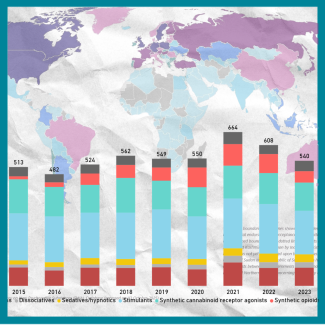
The UNODC Early Warning Advisory highlights a continued global expansion of new psychoactive substances (NPS), with nearly 1,400 substances reported worldwide. In 2024 alone, a record number of substances were identified, including over 100...
Stimulant Use and Related Harms in Canada: Recent Trends
This report highlights a growing concern around stimulant use and related harms in Canada, particularly involving cocaine and methamphetamine. Data from multiple national sources show that stimulant-related deaths have significantly...
The Pleasure That Doesn't Return: Dopaminergic Synergy, Sexuality and Relapse in Cocaine Addiction
This work emerges from clinical observation in addiction treatment settings regarding a frequent yet systematically overlooked phenomenon: the convergence of cocaine use and sexual activity as a specific relapse mechanism. It is proposed...
The Pleasure That Doesn't Come Back: Dopaminergic Synergy, Sexuality and Relapse into Cocaine Addiction
This work arises from the clinical observation in addiction treatment devices of a frequently and systematically ignored phenomenon: the convergence between cocaine consumption and sexual activity as a specific mechanism of relapse. It is...
2026 National Drug Control Strategy - The White House
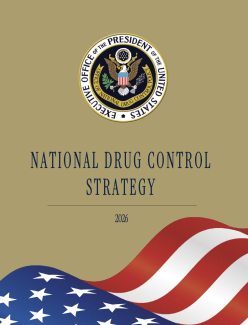
The 2026 National Drug Control Strategy outlines a comprehensive roadmap to reduce illicit drug use and protect communities across the United States. It prioritizes stopping the flow of drugs and precursor chemicals at all borders through...
Religious Community and Faith vs. Substance Use Disorder
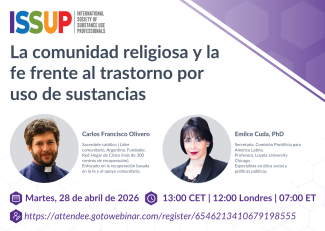
ISSUP Global presents a webinar on, "The Religious Community and Faith in the Face of Substance Use Disorder"
Religious Community and Faith vs. Substance Use Disorder
Attendance
online
ISSUP Global invites you to participate in its webinar: Faith Community and Faith in the Face of Substance Use Disorder
CCENDU Issue 7 (Part 2): Stimulant Use and Related Harms in Canada — Drivers and Adaptive Responses
This issue is the second of a special two-part series. Part 2 examines key factors driving stimulant use, what these trends mean for different groups of people and the responses being implemented to reduce harms. Three key points of...
CCENDU Issue 7 (Part 1): Stimulant Use and Related Harms in Canada - Recent Trends
This issue is a special two-part series. The first part features a regional breakdown of reports from seven Canadian Community Epidemiology Network on Drug Use (CCENDU) nodes and five drug checking services from across the country. It...