
Psychoactive Substances

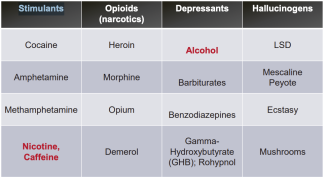
Psychoactive substances are natural or synthetic substances that act on the central nervous system and alter mental processes such as mood, perception, cognition, consciousness, and behaviour. These substances may be legally prescribed medications (e.g., pain medications or sedatives), legally available substances such as alcohol or caffeine, or controlled or illicit drugs. Psychoactive substances can be used for medical, social, cultural, or recreational purposes, but some carry risks of misuse, dependence, and health or social harms when used in harmful ways. 
Massive Study Flips Our Story of Addiction and the Brain

Website
 - 
A large U.S. study has found that some children and teens who start using alcohol, cannabis, or nicotine at an early age already show differences in their brains before they ever try any substance. This challenges the common belief that...
Mehau Kulyk/Science Photo Library/Getty Images

Addictions in Potential Sperm Donors: What is Possible to Control?

Scientific article
 - 
INTRODUCTION: Third-party sperm donation represents the sole viable option for conception for a considerable number of infertile couples. The donation process is predicated on ensuring the high quality and safety of the donated cells. While...

Webinar reflection: Exploring Multiple Pathways of Recovery

Community update
 - 
ISSUP, in collaboration with Faces & Voices of Recovery, has launched a new Global Recovery Network webinar series to spotlight diverse perspectives on recovery. The first webinar featured Dr. Haner Hernández, a respected expert in the...
Title slide for PowerPoint presentation titled Exploring Pathways of Recovery by Dr Haner Hernández.