
Populations

Distinct groups of people within a society who share certain characteristics such as age, gender, geographic location, socioeconomic status, cultural background, or exposure to particular risk factors that may influence patterns of substance use, vulnerability to substance use disorders, and access to services. In the context of substance use systems, identifying and understanding different populations helps guide the design of prevention, treatment, recovery, and policy responses that are appropriate, equitable, and responsive to specific needs. Examples may include youth, women, people experiencing homelessness, individuals in the criminal justice system, or communities affected by specific social or economic conditions. 

Hidden Harm Practice Guide

Guide
 - 
Parental problem alcohol and other drug use are associated with social, legal, economic and health-related problems. It can disrupt family routines and responsibilities, relationships with relatives and friends, and the family’s social...

Chemsex: More than just Sex & Drugs

Guide
 - 
Supporting a friend, partner, or family member affected by problematic alcohol or drug use can be difficult. Adfam has released a new resource to inform and providing advice on how to look after your wellbeing and as well as that of your...

Barriers in Substance Use Disorder Treatment

Scientific article
 - 
The US is experiencing a public health crisis. In the US in 2016 alone, there were over 63,000 drug poisoning deaths. Despite these concerning figures, it is estimated that fewer than 20% (3.8 million) receive treatment and for those who do...

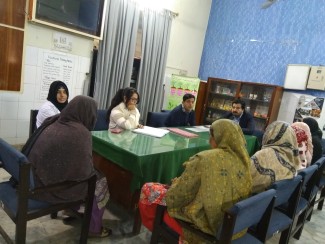
Meeting with Family Members of Poor Substance Abusers

News
This meeting was held in the Department of Psychiatry and Behavioral Sciences, DHQ Hospital, Faisalabad Medical University, in Faisalabad, Pakistan. The purpose of the meeting was to teach participants how to support SUD family members.