
Distinct groups of people within a society who share certain characteristics such as age, gender, geographic location, socioeconomic status, cultural background, or exposure to particular risk factors that may influence patterns of substance use, vulnerability to substance use disorders, and access to services. In the context of substance use systems, identifying and understanding different populations helps guide the design of prevention, treatment, recovery, and policy responses that are appropriate, equitable, and responsive to specific needs. Examples may include youth, women, people experiencing homelessness, individuals in the criminal justice system, or communities affected by specific social or economic conditions.
Populations
Suffering Addiction in Family, Defeating Failures, Overcoming Adversity and Turning Dreams into Reality
Suffering addiction in family , defeating failures, overcoming adversity and turning dreams into reality
Better Prevention of Drug Use, Healthy and Safe Development of Children in Belarus
UNODC had the honour of facilitating a seminar for policy makers in Belarus at the request of the Ministry of Interior of the country. The event was organised with the support of the UN Resident Coordinator and the contribution of UNAIDS, UNFPA and UNICEF.
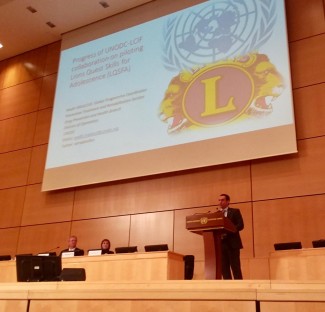
UNODC Partnership with Lions Club to Develop Personal and Social Skills of Adolescents
The UNODC/WHO Second Update Edition of the International Standards on Drug Use Prevention http://bit.ly/2D1Qua4 identifies evidence-based education on personal and social skills as one of the effective strategies to prevent drug use and...
Effectiveness Bank Additions: Therapy Relationships that Work 1: The Alliance
First of four bulletins recapping 16 reviews for the American Psychological Association featuring expert advice and amalgamations of research findings on different aspects of the client-therapist relationship. With the overview of the...
Effectiveness Bank Analysis: Do Interventions to Reduce Alcohol-Related Harms also Reduce Domestic Abuse?
In celebration of International Women’s Day we are highlighting studies throughout the month of March that further our understanding of how sex and gender influence the course of addiction and treatment, with a particular focus on women...
ADGRL3 (LPHN3) Variants Predict Substance Use Disorder
Abstract Genetic factors are strongly implicated in the susceptibility to develop externalizing syndromes such as attention-deficit/hyperactivity disorder (ADHD), oppositional defiant disorder, conduct disorder, and substance use disorder...
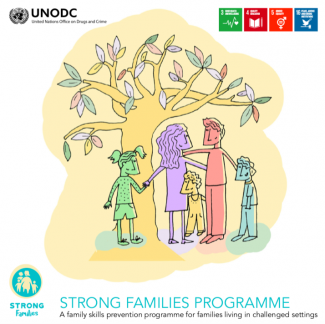
Strong Families Programme
The Strong Families Programme is a family skills prevention programme.
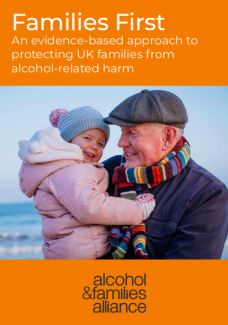
Families First
Alcohol and Families Alliance believe current policy does not sufficiently protect family members. The aim of AHA is to reduce the harms experienced by children and families affected by alcohol use.
Immigration Status and Substance Use Disorder-Related Mortality in Sweden
Objectives: First-generation immigrants, in many countries, are healthier than their native counterparts. This study examined the association between first- and second-generation immigrant status and alcohol- or drugs other than alcohol...
Adfam Case Study Call: Inter-parental Conflict, Alcohol and Children
Adfam, Tavistock Relationships and OnePlusOne are working on a project aiming to reduce the impact of inter-parental conflict on children in families affected by alcohol misuse. They are looking for parents, whose partner has had issues...