Populations

Distinct groups of people within a society who share certain characteristics such as age, gender, geographic location, socioeconomic status, cultural background, or exposure to particular risk factors that may influence patterns of substance use, vulnerability to substance use disorders, and access to services. In the context of substance use systems, identifying and understanding different populations helps guide the design of prevention, treatment, recovery, and policy responses that are appropriate, equitable, and responsive to specific needs. Examples may include youth, women, people experiencing homelessness, individuals in the criminal justice system, or communities affected by specific social or economic conditions. 
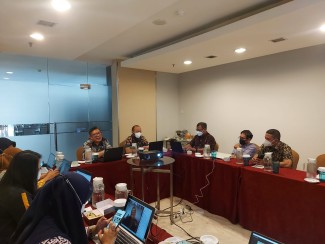
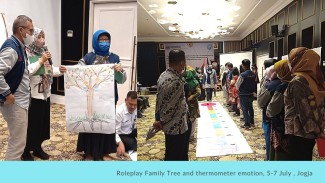
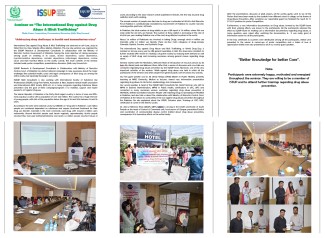
The UNODC/PTRS demand reduction mentor at the UNODC Programme Office in Indonesia provided technical assistance to the National Narcotics Board (BNN) in conducting a national hybrid training for Government Officials on the UNODC Treatnet Family programme

News
On July 19th, 2022, the Director of Strengthening Government Institution, Deputy of Rehabilitation, BNN officially launched a national hybrid training on the UNODC Treatnet Family programme with 34 representatives from all BNN provinces and...

New Psychoactive Substances (NPS) Webinar Series

Video and audio recordings
Various NPS have significantly changed the picture of drug use in different countries. They are now very prominent in the drug market. Indeed, many of these substances are intended to circumvent drug laws and are sold as ‘legal’...