Distinct groups of people within a society who share certain characteristics such as age, gender, geographic location, socioeconomic status, cultural background, or exposure to particular risk factors that may influence patterns of substance use, vulnerability to substance use disorders, and access to services. In the context of substance use systems, identifying and understanding different populations helps guide the design of prevention, treatment, recovery, and policy responses that are appropriate, equitable, and responsive to specific needs. Examples may include youth, women, people experiencing homelessness, individuals in the criminal justice system, or communities affected by specific social or economic conditions.
Populations
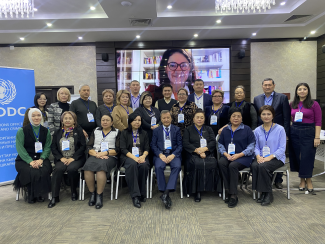
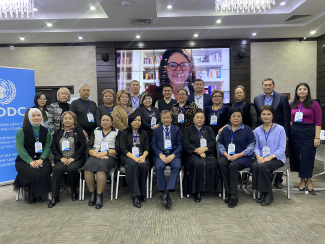
National policymakers and key stakeholders in Kyrgyzstan expand their knowledge of quality assurance system related to drug use disorders through UNODC training
The UNODC Regional Office for Central Asia organized a national training on "Quality Assurance of Drug Use Disorder Treatment Systems" in Bishkek, Kyrgyzstan, from 28 to 30 November 2022. This capacity-building exercise was carried out...
National policymakers and key stakeholders in Kyrgyzstan enhance their knowledge on drug use disorder system Quality Assurance through UNODC training
The UNODC Regional Office for Central Asia (ROCA) conducted a National Training “UNODC Drug Use Disorder Treatment Systems Quality Assurance (QA)” which took place in Bishkek, Kyrgyzstan on 28-30 November 2022. This capacity building...
Children whose parents use drugs: Promising practices and recommendations
This report focuses on children growing up in families affected by drug and alcohol dependence, as well as on the services, programmes and practices that help to protect childhood and guarantee children’s needs while, at the same time...
Parent Guide- The Improving Treatment Together (ITT) Project
This handbook is a collection of shared experiences and stories to help other parents and caregivers find refuge, support and courage to reach out for help. Whether your young person is experimenting with substances or has developed a...
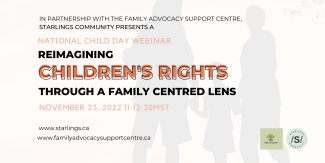
Canada Webinar: Re-Imagining Children's Rights Through a Family-Centred Lens
Every child has a right to a life free from harm within a community that supports them and their family to thrive. But does every child get to experience these rights? Join Starlings Community and their partners at Family Advocacy Support...
UNODC launched a Training of Trainers (ToT) Programme on the Universal Treatment Curriculum (UTC) Advanced Courses 9-15 in Pakistan
Ensuring continued learning and offering opportunities to substance use dependence treatment professionals to learn advanced and evidence-based treatment techniques and strategies is one of the important missions of UNODC. In this regard...
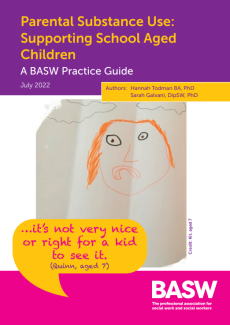
Parental Substance Use: Supporting School Aged Children (BASW Practice Guide)
Children living with parents who use substances are a group of children who are overlooked in legislation, policy and practice. This guide draws on research that puts children’s voices front and centre. Findings from safeguarding practice...
Two Countries and one problem: Prevention in Pediatrics
ISSUP Brasil presented a webinar with pediatricians discussing ways of prevention and how problems caused by substance use work. Two pediatricians discuss the means of prevention and how problems caused by substance use work. Moderators...
A new model of Couples Treatment for Addiction
This Webinar examines a new model of couples treatment for addiction. The model includes new aspects in the treatment, related to relationship reparation/ forgiveness and aspects of Emotionally-focused couple therapy. The presentation also...
War: Psychological Skills for Surviving and Coping with Traumatic Events
ISSUP Ukraine and ITTC-Ukraine jointly held an initiative dedicated to the ongoing war and the horrific events that resulted from Russian's attack on Ukraine. Ukrainians are currently experiencing extremely traumatic events that will have a...