

Distinct groups of people within a society who share certain characteristics such as age, gender, geographic location, socioeconomic status, cultural background, or exposure to particular risk factors that may influence patterns of substance use, vulnerability to substance use disorders, and access to services. In the context of substance use systems, identifying and understanding different populations helps guide the design of prevention, treatment, recovery, and policy responses that are appropriate, equitable, and responsive to specific needs. Examples may include youth, women, people experiencing homelessness, individuals in the criminal justice system, or communities affected by specific social or economic conditions.
Populations
Chasing Other Dragons – Atypical Intoxicants
Attendance
online
The treatment literature typically hasn't paid much attention to "gateway drugs" other than nicotine and cannabis. But often, early experimentation with altered consciousness and intoxication involves substances we don't necessarily think of. Especially for persons too young to access more common drugs – or living in areas where they are not readily available – these atypical substances may be a wide open door to intoxication.
Problematic Pornography Use as a Predictor of Depressive and Apathetic Symptoms in Slovak Young Adults
INTRODUCTION: Problematic pornography use (PPU) has been increasingly recognized as a relevant factor in mental health research, mainly in relation to depression and apathy. Its association with apathy, reflecting diminished motivation and...
The Role of Family Background in Adolescent Risky Behavior Development
This study examines the role of family background in the development of adolescent risk behavior using a sample of 614 secondary school students (mean age = 16.8). The results show that the quality of the parent-child relationship is a...
Online time of Slovak and Czech adults and its relation to Big Five
INTRODUCTION: In the present article, we focused on the relationship between time spent online and factors of Big Five in the population of adults. We assume that there exist the specifics of time spent online in the relation to age, sex...
Live, virtual lecture series: Alcohol Use Conversations with Patients
Today, I am sending along an opportunity for all health care professionals in your network to participate in an evidenced based live, virtual interprofessional lecture series. This series is a component of the well-established Lunder-Dineen...
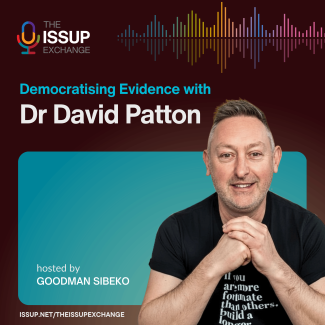
Democratising Evidence with David Patton: From Experience to Leadership Pt. 1
Professor Goodman Sibeko speaks with Dr David Patton about the experiences that shaped his journey into criminology, recovery research, and the movement to centre lived experience in knowledge production. David reflects on growing up in a...
Alcohol Use, Diabetes, and Mental Health: Risks, Intersections, and Care
ISSUP Bahamas presents its maiden webinar. This webinar will focus on the topic, "Alcohol Use, Diabetes, and Mental Health: Risks, Intersections, and Care."
Say "NO" to Drugs
Understanding Psychoactive Substances and Substance Use What Are Psychoactive Substances? Psychoactive substances are substances that affect the way the brain and body function, influencing thoughts, emotions, perceptions, and behaviour...
Football matchday moderation campaigns seem well-intentioned, but do they work – and what do they cost?
At football matches across the UK and beyond, fans increasingly encounter messages about moderation: pacing drinks, switching to low- or no-alcohol options, planning travel home, and “drinking responsibly”. These campaigns are often...
Not All Kids Are Alright: Pediatric and Youth Emergency Visits and Hospitalizations after Cannabis Legalization
IASIC Speaker Series is pleased to invite you to join us for an insightful webinar, Not All Kids Are Alright: Pediatric and Youth Emergency Visits and Hospitalizations after Cannabis Legalization, featuring groundbreaking research from...