
Distinct groups of people within a society who share certain characteristics such as age, gender, geographic location, socioeconomic status, cultural background, or exposure to particular risk factors that may influence patterns of substance use, vulnerability to substance use disorders, and access to services. In the context of substance use systems, identifying and understanding different populations helps guide the design of prevention, treatment, recovery, and policy responses that are appropriate, equitable, and responsive to specific needs. Examples may include youth, women, people experiencing homelessness, individuals in the criminal justice system, or communities affected by specific social or economic conditions.

Populations
The Association Between Religiosity and Substance Use Patterns Among Women Involved in the Criminal Justice System
The Role of Faith Communities in Addressing Substance Use and Crime – Reading List (Part 1)
Innovation and Action: Youth Voices in SUD Prevention and Treatment in Africa
Democratising Evidence with David Patton: What Counts as Evidence? Pt. 2
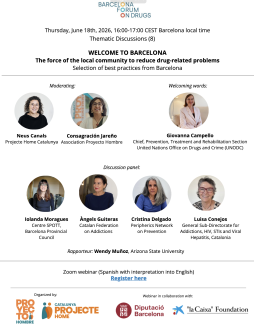
The force of the local community to reduce drug-related problems
On the way to the Barcelona Forum on Drugs, the 8th Thematic Discussion aims to pay tribute to local communities around the world in addressing drug-related problems. A selection of best practices from Barcelona will be presented, the city hosting the forum.
Online training: Parental Substance Use - Essential Skills
This training course delivers essential insights into the issues surrounding parental substance misuse and safeguarding along with skills for working with parents who are using drugs or alcohol problematically. It is designed for anyone who’s work brings them into contact with parents who have issues with substance use.
Law Enforcement and Prevention of Problem Behaviors: An Important Connection to Improve the Health and Safety of Our Communities
Faith-Based Addiction Recovery
Spirituality and Harmful or Hazardous Alcohol and Other Drug Use
Treating Internet Addiction: AI, Pornography, Social Media, Online Gambling, & Gaming
This training offers mental health professionals a clinical framework for identifying, assessing, and treating problematic screen use, including gaming, social media dependency, pornography, and online gambling. As screen time rises across age groups, compulsive use is increasingly linked to anxiety, depression, attention issues, and isolation.