
Populations

Distinct groups of people within a society who share certain characteristics such as age, gender, geographic location, socioeconomic status, cultural background, or exposure to particular risk factors that may influence patterns of substance use, vulnerability to substance use disorders, and access to services. In the context of substance use systems, identifying and understanding different populations helps guide the design of prevention, treatment, recovery, and policy responses that are appropriate, equitable, and responsive to specific needs. Examples may include youth, women, people experiencing homelessness, individuals in the criminal justice system, or communities affected by specific social or economic conditions. 
GAMBLING AND BETTING IN AFRICA

Opinion piece, commentary
 - 
*GAMBLING & BETTING IN AFRICA* By Peter Chege Kariuki | Mr. Talent. _Understanding the Web, the Wound, and the_ _Way Out._ A Practical, Lived-Experience Perspective by Mr. Talent. *Gambling & Betting in the African Reality* ( *Beyond Theory...
Passionate, Relevant and Relational

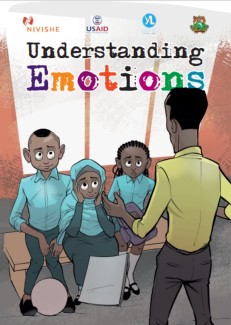
Understanding Emotions: Nivishe Mental Health Comic Book

Book
Nivishe Foundation successfully launched “Understanding Emotions,” the first chapter in its groundbreaking Brainwaves Comic Book Series, one of Africa’s first comic books dedicated to mental health education. The series uses relatable...

Youth Mental Health & Wellbeing Flagship Initiative by UN Youth Office

Leaflet, Infographic, Fact sheet, Poster
The United Nations Youth Office launched the flagship initiative on Youth Mental Health and Wellbeing! The initiative promotes an ecosystem model for youth mental health and wellbeing, using a whole-of-society approach. The initiative was...

Day 1, 12:00 - 13:00, Plenary 2: Recovery and Social Reintegration

ISSUP Event
 - 
Panel Presented at Indonesia 2025 on the 17th of September 2025 Moderator: Sam Nugraha Presentations: Boro Goic: Helpline - Entrance Door to (Un)Sustainable Recovery Paths Sedef Ercetin: Empowering Recovery: Global Models for Trauma...