
Distinct groups of people within a society who share certain characteristics such as age, gender, geographic location, socioeconomic status, cultural background, or exposure to particular risk factors that may influence patterns of substance use, vulnerability to substance use disorders, and access to services. In the context of substance use systems, identifying and understanding different populations helps guide the design of prevention, treatment, recovery, and policy responses that are appropriate, equitable, and responsive to specific needs. Examples may include youth, women, people experiencing homelessness, individuals in the criminal justice system, or communities affected by specific social or economic conditions.

Populations
International Day Against Drug Abuse and Illicit Trafficking
The 26th of June marks the International Day Against Drug Abuse and Illicit Trafficking.
Family Management Risk and Protective Factors for Adolescent Substance Use in South Africa
Abstract Background An increasingly recognised prevention approach for substance use entails a reduction in risk factors, and the enhancement of promotive, or protective factors in individuals and the environment surrounding them during...
How the Opioid Crisis Is Depressing America's Labor Force
It's been a decade since the financial crisis drove up the unemployment rate in the U.S. and forced people in the prime of their careers to give up looking for work. Even today, as employers add jobs at a furious pace, the workforce...
Ibogaine Treatment Outcomes for Opioid Dependence from a Twelve-Month Follow-Up Observational Study
ABSTRACT Background: The psychoactive indole alkaloid ibogaine has been associated with encouraging treatment outcomes for opioid dependence. The legal status of ibogaine in New Zealand provides a unique opportunity to evaluate durability...
Treatment of Opioid Use Disorder with Ibogaine: Detoxification and Drug Use Outcomes
ABSTRACT Background: Ibogaine is a monoterpene indole alkaloid used in medical and nonmedical settings for the treatment of opioid use disorder. Its mechanism of action is apparently novel. There are no published prospective studies of drug...
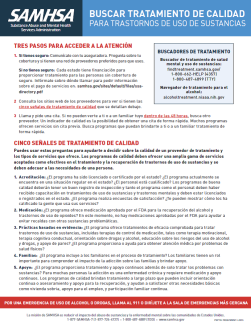
Seek quality treatment for substance use disorders
This fact sheet can be used as a guide for people seeking mental health treatment. It offers three steps to carry out before using a treatment center, as well as the five signs of a treatment center of quality, which includes reviewing the...
Barriers to Addiction Prevention and Treatment in Communities with Organized Crime: The Perspective of Health Providers
ABSTRACT Introduction: The presence of organized crime may encourage an increase in the supply of illicit substances, the incorporation of young people into crime, the promotion of substance-oriented lifestyles, and the use of violent...
Pennsylvania Hospital Becomes OUD Treatment Model after Working with PCSS during Pilot Program
Hanover Hospital and its affiliated healthcare clinics has become a model for how a healthcare system that is fully engaged in embracing evidence-based treatment of opioid use disorders can make significant change. A little more than a year...
Pre-Conceptional and Peri-Gestational Maternal Binge Alcohol Drinking Produces Inheritance of Mood Disturbances and Alcohol Vulnerability in the Adolescent Offspring
Although binge drinking is on the rise in women of reproductive age and during pregnancy, the consequences in the offspring, in particular the inheritance of alcohol-related mood disturbances and alcohol abuse vulnerability, are still...
Factors associated with cocaine use in users of injectable heroin in Colombia
OVERVIEW Introduction: People who consume heroin and cocaine have increased sexual activity, risk behaviours associated with injection and inconsistent condom use, which would increase the risk of sexually transmitted infections and the...