
Distinct groups of people within a society who share certain characteristics such as age, gender, geographic location, socioeconomic status, cultural background, or exposure to particular risk factors that may influence patterns of substance use, vulnerability to substance use disorders, and access to services. In the context of substance use systems, identifying and understanding different populations helps guide the design of prevention, treatment, recovery, and policy responses that are appropriate, equitable, and responsive to specific needs. Examples may include youth, women, people experiencing homelessness, individuals in the criminal justice system, or communities affected by specific social or economic conditions.
Populations
Temporal Associations of Alcohol and Tobacco Consumption with Cancer Mortality
Key Points Question: Are changes in population-level alcohol and tobacco consumption associated with changes in overall cancer mortality? Findings: In this population-based cohort study, temporal associations of alcohol and tobacco...
A Prospective, Observational Study Investigating the Use of Carbon Monoxide Screening to Identify Maternal Smoking in a Large University Hospital in Ireland
Abstract Objectives: This study evaluated breath carbon monoxide (BCO) testing in identifying maternal smokers as well as the difference between disclosers and non-disclosers of smoking status. We also investigated if other extrinsic...
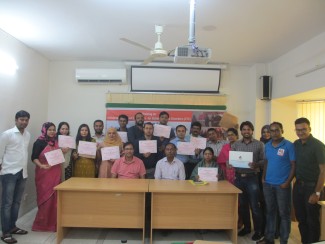
The Closing Ceremony of Basic Counseling Training and Handover of ICAP 1 Certificates
Dhaka Ahsania Mission (DAM) has organized a five-day long Basic Counseling Training for Addiction Professionals, including doctors, counselors, managers and other staff from the country’s different drug treatment and rehabilitation centers...
One in six young people in high school tried drugs
Marijuana is the most widely used illegal substance, but growing consumption of 'popper'. At least 520 thousand high school students, whose ages are between 12 and 18, have used drugs at least once in your life. That figure represents 15.9%...
Influence of Parental Alcohol Dependence on Parenting and Risking Drinking
A study published in the journal of Alcoholism Clinical and Experimental Research explores the association between parental alcohol problems and subsequent risky drinking and behavioural issues in adolescents. The study utilised a sample of...
Substance Use Prevention Important to Achieve SDG Goals
World Leaders have been committed to fulfilling the 169 targets in achieving the 17 goals of Sustainable Development Goals (SDGs) by 2030, among these Substance Use Prevention and Treatment is one of the most important targets. Substance...
Effects of Repeated Binge Drinking on Blood Pressure Levels and Other Cardiovascular Health Metrics in Young Adults
Abstract Background: Binge drinking prevalence rates are highest in young adults; however, little is known about the effects of binge drinking on blood pressure (BP) and other cardiovascular health metrics in individuals between 18 and 45...
Sex‐Specific Associations between Alcohol Consumption and Incidence of Hypertension
Abstract Background: Although it is well established that heavy alcohol consumption increases the risk of hypertension, the risk associated with low levels of alcohol intake in men and women is unclear. Methods and Results: We searched...
UNODC World Drug Report 2018
The 2018 World Drug Report was launched on 26th June. The report covers a range of topics with the booklets split into drug demand and supply, drug markets, drugs and age, and women and drugs. The booklets are all available free to access...
World Drug Day and World Drug Report Launch 2018
The 2018 theme of the United Nation's Office on Drugs and Crime was "Listen First".