
Distinct groups of people within a society who share certain characteristics such as age, gender, geographic location, socioeconomic status, cultural background, or exposure to particular risk factors that may influence patterns of substance use, vulnerability to substance use disorders, and access to services. In the context of substance use systems, identifying and understanding different populations helps guide the design of prevention, treatment, recovery, and policy responses that are appropriate, equitable, and responsive to specific needs. Examples may include youth, women, people experiencing homelessness, individuals in the criminal justice system, or communities affected by specific social or economic conditions.

Populations
Chemsex: More than just Sex & Drugs
Supporting a friend, partner, or family member affected by problematic alcohol or drug use can be difficult. Adfam has released a new resource to inform and providing advice on how to look after your wellbeing and as well as that of your...
Barriers in Substance Use Disorder Treatment
The US is experiencing a public health crisis. In the US in 2016 alone, there were over 63,000 drug poisoning deaths. Despite these concerning figures, it is estimated that fewer than 20% (3.8 million) receive treatment and for those who do...
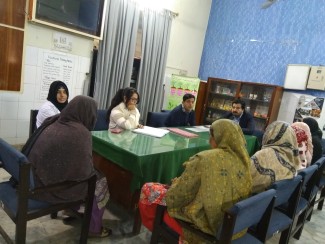
Meeting with Family Members of Poor Substance Abusers
This meeting was held in the Department of Psychiatry and Behavioral Sciences, DHQ Hospital, Faisalabad Medical University, in Faisalabad, Pakistan. The purpose of the meeting was to teach participants how to support SUD family members.
#StigmaMakesMeFeel - Adfam's Campaign to Raise Awareness of Stigma Experienced by Families Affected by Substance Use
Adfam is launching a new campaign #StigmaMakesMeFeel , to tackle the stigma experienced by families affected by drugs and alcohol. From societal attitudes about substance use to unhelpful remarks from friends, stigma is rife and causes...
Prenatal Marijuana Use: Perspectives of Pregnant Women
Marijuana is the drug most commonly used by pregnant women. Understanding the beliefs, attitudes and experience of marijuana use during pregnancy will help practitioners design motivational intervention for women. In a recent qualitative...
Treatment Gap, Help-Seeking, Stigma and Magnitude of Alcohol Use Disorder in Rural Ethiopia
Abstract Background Although alcohol use disorders contribute a high proportion of population disease burden, the treatment gap is large, especially in low- and middle-income countries. To narrow this gap, contextually relevant evidence is...
Psychiatric Comorbidity and Intimate Partner Violence among Women Who Inject Drugs in Europe
It is recognised that women who inject drugs are a highly vulnerable group of people and a section of the population who are at higher risk of showing comorbidities. This further impacts their well-being and can create a barrier to seeking...
Evaluación del programa "Familias fuertes: amor y límites" en familias con adolescentes de 10 a 14 años
Background: "Strong Families" is a family program aimed at preventing risk behaviors in adolescents from 10 to 14 years of age. It has been developed by the Pan American Health Organization (PAHO/WHO) and is based on the Iowa Strengthening...
Risk Factors for Neonatal Abstinence Syndrome
Recent studies carried out by researchers from Vanderbilt University and Johns Hopkins University have examined characteristics linked with the heightened risk NAS. The researchers found that boys are more likely to receive a diagnosis of...
Graduate Programmes in Prevention Science
The Society for Prevention Research has compiled a list of Prevention Science graduate programmes.