
Populations

Distinct groups of people within a society who share certain characteristics such as age, gender, geographic location, socioeconomic status, cultural background, or exposure to particular risk factors that may influence patterns of substance use, vulnerability to substance use disorders, and access to services. In the context of substance use systems, identifying and understanding different populations helps guide the design of prevention, treatment, recovery, and policy responses that are appropriate, equitable, and responsive to specific needs. Examples may include youth, women, people experiencing homelessness, individuals in the criminal justice system, or communities affected by specific social or economic conditions. 

Smoking During Pregnancy , Stigma and Secrets

Scientific article
 - 
There is significant evidence to suggest that smoking while pregnant is harmful to the baby increases the risk of miscarriage, and premature birth. The Statistics on smoking, England: 2018 compendium report shows that in 2017-18, 10.8% of...

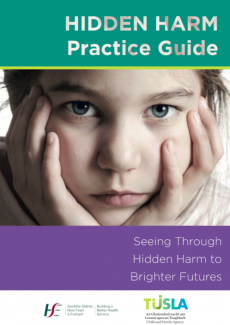
Hidden Harm Practice Guide

Guide
 - 
Parental problem alcohol and other drug use are associated with social, legal, economic and health-related problems. It can disrupt family routines and responsibilities, relationships with relatives and friends, and the family’s social...

Spring Festival

News
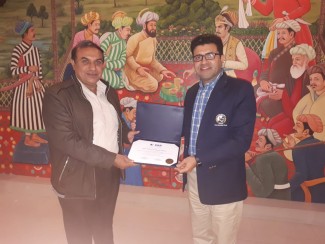
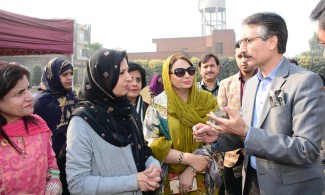
Spring Festival organized by Govt. Degree College for Women China Scheme, Begum Muhammad Sarwar Governor Punjab was Chief Guest. Ms. Musrat Jamshed Cheema MPA, Principal Prof. Shahnaz Sattar and Syed Zulfiqar Hussain Consultant Anti Drugs...
Spring Festival

Convention on Drug Use Prevention

News
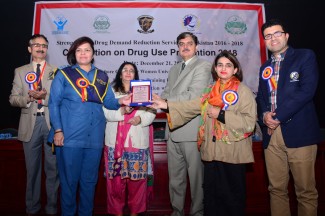
Grand Convention on Drug Use Prevention organized by Drug Advisory Training Hub (DATH) and Youth Council for Anti Narcotics (YOCFAN) at Lahore College for Women University (LCWU) in collaboration with PHEC, Directorate of Colleges Lahore...
Convention of Drug Use Prevention