
The range of medical, psychological, and social services designed to help individuals reduce or stop substance use and manage substance use disorders. Treatment may include assessment, counselling and behavioural therapies, medication-assisted treatment, withdrawal management, and support for co-occurring mental or physical health conditions. Effective treatment is typically person-centred and evidence-informed, and may be provided in outpatient, community, or residential settings. Treatment aims to improve health and functioning, reduce substance-related harms, and support individuals in moving toward recovery and long-term wellbeing.

Treatment
Scaife Medical Student Fellowship in Substance Use Disorders
IOTOD 2020 Conference
The IOTOD conference offers a range of exciting and interactive sessions, involving thought-provoking talks and expert-led panel discussions.
Lisbon Addictions: Presentations & Posters
Commission on Alcohol Harm
UTC 6 and UTC 7 Training Report
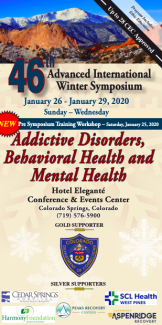
The 46th Annual Winter Symposium
The Advanced International Winter Symposium on Addictive Disorders, Behavioral Health, and Mental Health has provided addiction specialists, counsellors, and behavioural health professionals with world-class education and training for 45 years. This symposium creates unprecedented opportunities to share knowledge, perspectives, and cutting edge research.
Goal Commitment Predicts Cannabis Use for Adolescents in Treatment
National Addiction-Specific Institutional Infrastructure – Fundamental Prerequisite for Successful Implementation of Specialized Academic Degree Study Programmes: A Case Study in Historical Perspective
Incorporation of Universal Prevention Curriculum into Established Academic Degree Study Programme: Qualitative Process Evaluation
Adolescents with Co-Occurring Disorders: Already in our Care
Wednesday, November 18, 2020 @ 3-4:30pm ET (2CT/1MT/12PT)
Description
Adolescence is a unique and active period of development. Differential diagnostic understanding and treatment is complicated, specialized, and vital. Often, protective change and treatment progress can be stalled by unrecognized areas of risk and need.