
The range of medical, psychological, and social services designed to help individuals reduce or stop substance use and manage substance use disorders. Treatment may include assessment, counselling and behavioural therapies, medication-assisted treatment, withdrawal management, and support for co-occurring mental or physical health conditions. Effective treatment is typically person-centred and evidence-informed, and may be provided in outpatient, community, or residential settings. Treatment aims to improve health and functioning, reduce substance-related harms, and support individuals in moving toward recovery and long-term wellbeing.

Treatment
February 18 – National Day to Combat Alcoholism
Don't let alcohol kill your enjoyment of life February 18 – National Day to Combat Alcoholism Data from the latest National Survey on Alcohol and Other Drugs (II Lenad), carried out by UNIFESP, in São Paulo, reveal the worrying dimension of...
Addiction Conference 2021
Lives and livelihoods in Africa are lost every day to a medical disorder of which the true extent and severity is unknown.
Addiction needs to be seen for what it is. Not as a weakness. Not as a lack of character. Not as something that needs to be punished.
Quality in Drug Use Disorder Treatment
Annette Dale-Perera talks about quality in treatment
Webinar: "Medication Options for Treatment of Stimulant Use Disorders: Optimistic Update and New Research"
Register now at https://thenationalcouncil-org.zoom.us/webinar/register/WN_-W5Zn4sRTb6FgD0_PxM5Yw
Tuesday, March 2, 2021, starting at 01:00 PM (Washington, DC time)
Overdose deaths associated with illicit stimulants (cocaine and methamphetamine) have surged in the past eight years, according to a recent study by the Nat
Organisations Set the Context for Crime-Reducing Treatment. Effectiveness Bank Alcohol Treatment Matrix, Cell D5
ORGANISATIONS SET THE CONTEXT FOR CRIME-REDUCING TREATMENT Key studies teasing out organisational-level influences on treatment for drinking problems which aims to reduce crime and safeguard family and community. In the context of a market...
Balancing access to opioid substitution treatment (OST) with preventing the diversion of opioid substitution medications in Europe
This report reviews how opioid substitution treatment (OST) is implemented in European countries and examines the public health consequences of the diversion and misuse of prescription OST medications. It looks at how OST medications are...
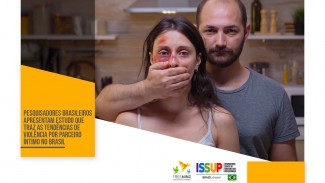
Brazilian researchers present a study that brings trends of intimate partner violence in Brazil
Intimate partner violence (IPV) is an important public health problem. According to the World Health Organization (WHO), the overall lifetime prevalence of IPV among women who have already had a partner is about 30%, ranging from 20 to 40%...
‘Dangerous Data’ Part 3: The Gloves Come Off. An Effectiveness Bank Hot Topic
‘DANGEROUS DATA’ PART 3: THE GLOVES COME OFF Third weekly instalment of the series on controlled drinking as a treatment goal. Controversy moves to the USA, where the 1976 Rand report’s finding that post-treatment remission usually involved...
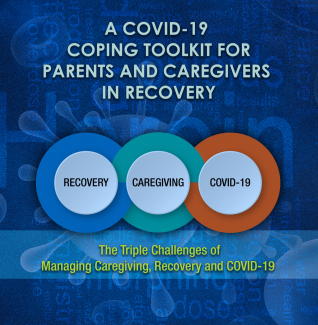
A Covid-19 Coping Toolkit for Parents and Caregivers in Recovery
This booklet is intended for a global audience of parents and caregivers who are in all stages of recovery from substance use disorders during the COVID-19 pandemic. The main feature of this booklet includes seven tip-sheets that offer...
Resultados del estudio sobre prevención, tratamiento e inclusión social, en el marco de la pandemia de Covid-19 en Chile
ISSUP Chile te invita a participar de un webinar presentando los resultados del estudio sobre prevención, tratamiento e inclusión social, en el marco de la pandemia de Covid-19 en Chile.