
UNODC PTRS is looking for civil society service providers offering drug use disorder treatment or prevention services in humanitarian settings, all over the world.
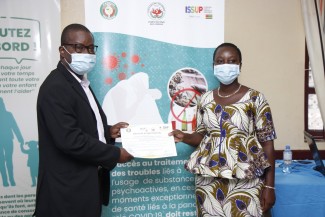
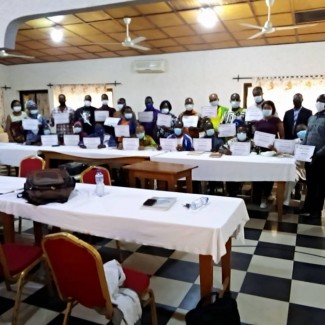
Du O9 au 13 Août 2021, a eu lieu à Kpalimé /Hôtel IZE, un atelier de formation sur la prévention du VIH et la prise en charge chez les usagers de drogue (UD) au Togo.
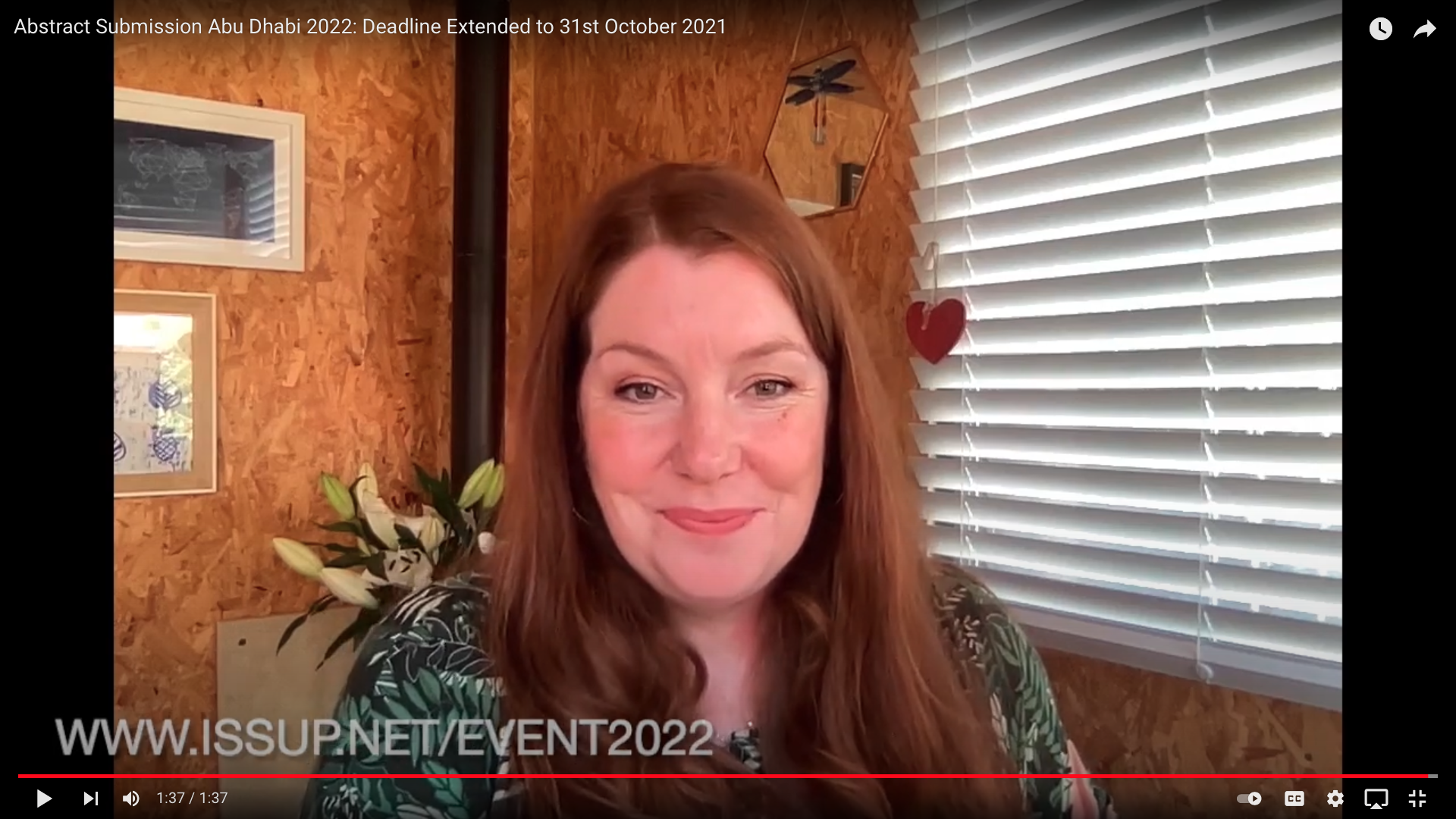
مهلت ارسال به طور کلی تمدید شد! ارسالی های جدید برای رویداد ما در حال وقوع آنلاین و در فرد در ابوظبی: 11-16 مه, 2022 شده است به 31 اکتبر تمدید! اطلاعات بیشتر در مورد این رویداد و ارسال abstract خود را: issup.net/event2022
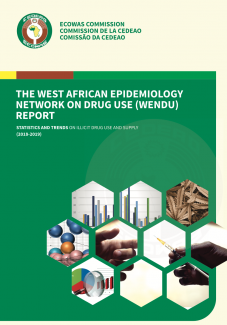
The West African Epidemiology Network on Drug Use (WENDU) Report (2018 -2019) is the second regional report on illicit drug trafficking and the extent of drug use in West Africa.
The report provides data on drug use patterns and emerging trends to serve as a guide in the design and implementation of adequate responses that address both drug demand and supply by practitioners and policymakers in the ECOWAS Member states and Mauritania.
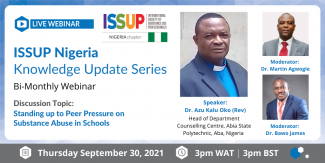
ISSUP Nigeria would like to invite you to attend the next Bi-Monthly Webinar in their Knowledge Update Series. This Webinar will focus on 'Standing up to Peer Pressure on Substance Abuse in Schools'.
ICUDDR، INL، ISSUP و NRC در حال همکاری برای میزبانی یک رویداد جهانی در فرد و آنلاین از 11 - 16 مه 2022 در ابوظبی، امارات متحده عربی است. ما از ارسالی های آبستره برای ارائه های فرعی و پوستر در این رویداد استقبال می کنیم. مهلت تمدید شد!
Therapeutic Communities: The International Journal of Therapeutic Communities
مقدمه: با توجه به ادبیات کمیاب در مورد اختلالات مصرف الکل و درمان آنها در کشورهای در حال توسعه، هدف این مقاله بررسی سطح انگیزه و ارتباط آنها در میان کاربران خدمات الکل در دو مرکز درمان مسکونی در کمپالا، اوگاندا است. این مطالعه چگونه سطح انگیزه کاربران خدمات الکل اوگاندا با کسانی که از مطالعات آمریکایی مقایسه; و عوامل خاص موثر بر انگیزه داخلی و خارجی در زمینه اوگاندا.
طراحی / روش / رویکرد: انگیزه برای درمان در میان 100 نفر وارد درمان با استفاده از دانشگاه مسیحی تگزاس (TCU) نیازهای درمان و مقیاس انگیزه اندازه گیری شد. از شاخص WHOQoL–BREF، شاخص شدت اعتیاد–6 و لیست بررسی علائم هاپکینز–37 به ترتیب...
ISSUP Nigeria is pleased to welcome the Federal Cooperative College Kaduna as a student wing member of ISSUP Nigeria National Chapter following their successful inauguration ceremony on Tuesday 17th August 2021. ISSUP Nigeria is even more eager to serve the student body.
Gibbs N, Angus C, Dixon S, et al Effects of minimum unit pricing for alcohol in South Africa across different drinker groups and wealth quintiles: a modelling study BMJ Open 2021;11:e052879. doi: 10.1136/bmjopen-2021-052879
حداقل قیمت گذاری واحد (MUP) برای الکل سیاستی است که به دنبال آن قیمت تعیین شده معرفی می شود، که در زیر آن حجم ثابتی از الکل را نمی توان به عموم مردم فروخته است. چندین کشور ، از جمله اسکاتلند، کانادا، ایالات خاصی از ایالات متحده آمریکا، روسیه، مولداوی، اوکراین و ازبکستان، اشکال مختلف MUP را اتخاذ کرده اند.
به عنوان پاسخ به سطح مصرف الکل مضر در آفریقای جنوبی، دولت های استانی، مانند کیپ غربی، با توجه به تعدادی از رویکردهای سیاست الکل، از جمله معرفی حداقل قیمت گذاری واحد (MUP).
در این مقاله، محققان یک مدل بررسی سیاست را به منظور تجزیه و تحلیل تاثیر بالقوه حداقل قیمت گذاری واحد (MUP) برای الکل...
The Bulletin is published by the Uganda UN Communication and Partnership Group in collaboration with partners engaged in activities contributing to the attainment of the 2030 Agenda and the Sustainable Development Goals (SDGs).
Manu, E., Douglas, M., Ntsaba, M.J. et al. Perspectives of illicit marijuana growers and traders on commercial legalisation of marijuana in South Africa: considerations for policy formulation. Subst Abuse Treat Prev Policy 16, 54 (2021). https://doi.org/10.1186/s13011-021-00391-w
Over the past era, there has been a call for legalizing marijuana cultivation and trading for commercial purposes in South Africa. Advocates of the call argue that the criminalization of commercial marijuana cultivation and trading has failed to stop illicit marijuana cultivation and trading. Nevertheless, the views of those who economically benefit from the illicit marijuana trade on its legalization remain empirically unsolicited.
This study aimed to understand the views of illegal marijuana growers and traders from two selected communities in the Eastern Cape Province of South Africa...
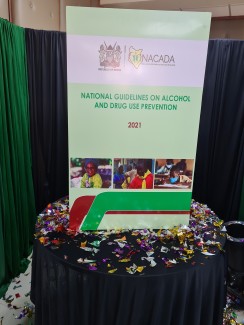
June 26, 2021, Nairobi, Kenya:- As the World commemorated the International Day Against Drug Abuse and Illicit Trafficking (IDADA) on June 26, 2021, Kenya has added another milestone in the journey towards a nation free from alcohol and drug abuse:-The National Guidelines on Drug Use Prevention were launched!
Previously in Kenya, the approach to prevention has been single event activities, development and dissemination of information, education and communication (IEC) materials on myths and the negative effects of alcohol and drug abuse. Now, one of the greatest milestones is the development...
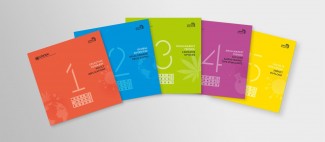
گزارش جهانی مواد مخدر 2021 که شامل پنج کتابک جداگانه است، تحلیل عمقی از بازارهای جهانی مواد مخدر ارائه می دهد و تصویر جامعی از اثرات قابل اندازه گیری و تاثیر بالقوه بحران COVID-19 بر مشکل جهانی مواد مخدر را نقاشی می کند.
The VNGOC together with the UNODC Civil Society Unit will be holding two webinars to present and discuss the World Drug Report 2021, which will be launched on 25th June.
VNGOC are looking for civil society speakers wishing to present at these webinars, on how they use the data compiled in the World Drug Report each year and how these data impact their work.
The first webinar will be held on 13th July 2021 and will focus on Asia, Oceania and Europe.
The second webinar will be held on 15th July 2021 and will focus on Africa and the Americas.
UNODC’s Strategic Vision for Africa 2030 outlines our mission to provide more safety to Africa’s people, government and institutions from drugs, crime, corruption, terrorism and illicit financial flows.
The UNODC Vision 2030 seeks to strengthen crime prevention, enhance justice, address organized crime, ensure a balanced response to drugs, improve the rule of law and bolster resilience.
The report provides information on risk factors for non-communicable diseases and prevalence of selected NCDs bases on WHO’s STEPwise approach to Surveillance (STEPS).