Recovery
is not a one-size-fits-all process—it is dynamic, multifaceted, and deeply individual. To truly support individuals on their recovery journey, practitioners must access tools, systems, and knowledge that reflect the realities of those they serve.
This Charter introduces a visionary plan for a global partnership focused on recovery
advocacy
. The Global Recovery Network (GRN) is a new international group supported by several organizations. It offers a platform where members can strengthen their recovery support through lifelong learning, build meaningful connections, and promote better understanding and practices of recovery worldwide. GRN brings together people in recovery from substance use disorders and Recovery Allies—those who support recovery through personal efforts, programs, or advocacy. Together, they work to promote a shared...
AI is helping improve
addictiontreatment
in many ways. It creates personalized treatment plans based on a person’s history and needs, and can even detect early signs of risk before addiction develops. AI also analyzes large amounts of data to better understand addiction patterns and improve
recovery
methods. Tools like AI chatbots offer around-the-clock support and a safe space to talk, while remote monitoring through apps and wearables helps counsellors track progress and prevent
relapse
. Virtual reality therapy lets individuals practice coping skills in realistic situations, making recovery...
Mmoto, M., Mwombeki, I., Morawej, Z., Lawala, P., & Nyundo, A. (2024). Posttraumatic Stress Disorder Among Opioid Users in Dodoma, Tanzania: A Comparative Cross-Sectional Study Protocol. Adiktologie, 24(3), pp–pp. https://doi.org/10.35198/01-2024-003-0003
INTRODUCTION:
Post traumatic stress disorder (PTSD) is highly commorbid among individuals with opioid use disorder (OUD). PTSD among people with OUD is associated with severe opioid use, depression, and suicidality. Tanzania has seen a rise in opioid use over the past few years and the presence of PTSD among people with OUD predisposes patients to more negative impacts and impedes the
recovery
process. We aim to assess the prevalence and factors associated with PTSD among individuals with opioid use disorder (OUD) attending medication-assisted therapy (MAT) clinic in comparison to non-opioid...
Pilikova, D., Zacharova, L., Dolejsova, M., Vrlova, L., & Simunek, J. (2024). Addictions in potential sperm donors: what is possible to control? Adiktologie, 24(3), pp–pp. https://doi.org/10.35198/01-2024-003-0005
INTRODUCTION: Third-party sperm donation represents the sole viable option for conception for a considerable number of infertile couples. The donation process is predicated on ensuring the high quality and safety of the donated cells. While screening for transmissible and genetic diseases is in place, there is an absence of uniform screening for substance use in potential donors.
AIM: The aim of this review is to provide summary information on national approaches to sperm donation and to highlight the lack of standardised screening protocols and a uniform approach to assessing
dependency
...
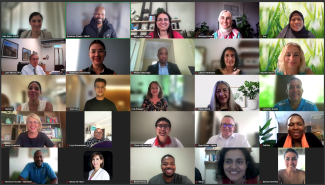
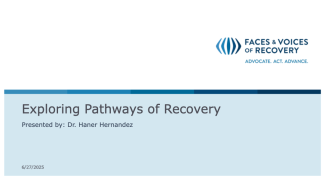
ISSUP, in collaboration with Faces & Voices of Recovery, has launched a new Global Recovery Network webinar series to spotlight diverse perspectives on recovery. The first webinar featured Dr. Haner Hernández, a respected expert in the field and a person in long-term recovery. Dr. Hernández currently serves as a Senior Consultant to the Massachusetts Department of Public Health and plays a key role in advancing health equity, workforce development, and recovery support. His presentation provided an insightful and inclusive overview of multiple pathways to recovery, grounded in both...
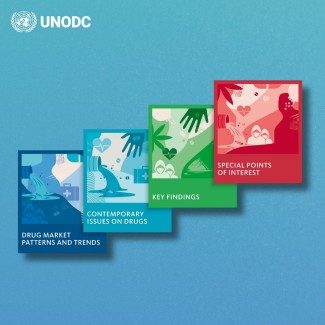
A global reference on drug markets, trends and policy developments, the World Drug Report offers a wealth of data and analysis and in 2025 comprises several elements tailored to different audiences.
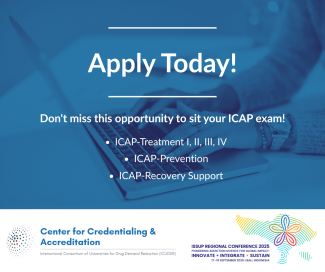
The ICUDDR Center for Credentialing & Accreditation (CCA) has announced that all ICAP Exams will be offered in Bali, Indonesia, on 18 September 2025, during the upcoming ISSUP 2025 event.
Wang, Y., Zhou, H., Tang, Z. et al. Smoking and bladder cancer: insights into pathogenesis and public health implications from a bibliometric analysis (1999–2023). Subst Abuse Treat Prev Policy 20, 25 (2025). https://doi.org/10.1186/s13011-025-00658-6
Background
Cigarette smoking is a major risk factor for bladder cancer. Harmful substances in tobacco smoke can damage cells and lead to cancer. Understanding this link is important for better prevention and
treatment
.
Objective
This study reviews global research on the connection between smoking and bladder cancer using bibliometric analysis, aiming to identify key trends, topics, and future directions.
Methods
We analyzed studies published between 1999 and 2023 from the Web of Science database. Tools like VOSviewer and CiteSpace were used to map contributions from countries, institutions...
As we celebrate International Nurses Week, we honour the dedication, expertise, and compassion of nurses around the globe—especially those working on the frontlines of substance use prevention,
treatment
, and
recovery
support.
Addiction
nurses play a crucial role not only in clinical care but also in education,
advocacy
, and research.
The objective of the study was to compare the use of medical and dental services by seniors residing at a seniors-only living facility and in the general community. It was a quantitative study, among 50 residents of the living facility and 173 in the general community. The data were collected between November 2011 and February 2012 through a questionnaire, and subjected to statistical analysis. Performance of clinical exams and satisfaction with health services was greater among seniors living in the general community; however, physical therapy
treatment
was more common among those living in...
Tomic D, Shaw JE, Magliano DJ. The burden and risks of emerging complications of diabetes mellitus. Nat Rev Endocrinol. 2022 Sep;18(9):525-539. doi: 10.1038/s41574-022-00690-7. Epub 2022 Jun 6. PMID: 35668219; PMCID: PMC9169030.
Abstract:
While the traditional complications of diabetes mellitus—such as cardiovascular disease—are well recognized, advances in
treatment
and increased life expectancy have revealed a new set of lesser-known complications that are becoming more prominent.
As mortality from vascular disease declines, conditions like cancer and dementia have emerged as leading causes of death among people with diabetes in several countries. In addition, growing evidence shows strong associations between diabetes and a range of comorbidities, including:
Use SAMHSA’s Digital Toolkit to help raise awareness, start important conversations, and share the powerful message that #MentalHealth is health.
The Toolkit is a one-stop shop offering:
✔️ Key messages and weekly themes for May
✔️ Ready-to-use social media content, graphics, and promotional materials
✔️ Messaging to encourage acceptance and support for individuals living with mental illness
✔️ Best practices for having supportive conversations about mental health
✔️ Additional resources to keep the...
Lee, EH., Yu, HJ. Effectiveness of nurse-initiated smoking cessation intervention: a systematic review and meta-analysis. Subst Abuse Treat Prev Policy 20, 18 (2025). https://doi.org/10.1186/s13011-025-00648-8
Background
Smoking is one of the top causes of preventable death and is linked to many serious health problems, including cancer and chronic diseases. Nurses can play a big role in helping people quit smoking by offering support through counselling, education, and mental health care. These nurse-led programs have been shown to increase quit rates. Training nurses to deliver these programs is important, and reviewing past studies helps us understand what works best.
Methods
Researchers searched eight major health databases between March 27 and August 1, 2024, to find studies on nurse-led...
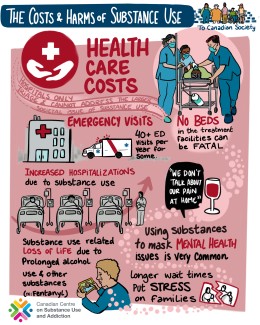
CSUCH’s data visualisation tool can be used to estimate substance use trends across the country. The data helps inform programs, practices, and research to protect communities, save lives, and improve the well-being of people in Canada.
Spotlight: Top 3 causes of death due to substance use in Canada
More than 200 people died each day due to substance use (SU) in 2020 (the latest year for which data are available). That works out to 73,994 deaths that year. The average age of death due to SU was 45 years. Tobacco use caused 63% (46,366) of SU-related deaths, followed by alcohol at 23%...
Addiction
and obesity share similar neurological pathways, both linked to compulsive behaviors and the brain's reward system. Research has highlighted the potential of GLP-1 receptor agonists, originally developed for diabetes, to help manage both appetite and
addictive
cravings. These medications, such as semaglutide, may regulate addictive behaviors by influencing reward circuits in the brain. However, they come with potential side effects, and their long-term effects are still under investigation.
In addition, a new compound, 5-Methoxy-2-aminoindane (MEAI), is being researched for its...
This week, we say goodbye to our dear friend and mentor, Jeff Lee, the founding Executive Director of ISSUP. Jeff was a steadfast advocate for the professionalization of prevention, insisting that those working in this field should be appropriately specialized. He often reminded us that while generalists and
treatment
specialists are well-meaning and deeply embedded within their communities, they are not always best placed to develop and implement evidence-based prevention systems. Jeff emphasized that prevention must be treated as a distinct science—one that is grounded in rigorous research...
Europol (2025), European Union Serious and Organised Crime Threat Assessment - The changing DNA of serious and organised crime, Publications Office of the European Union, Luxembourg
The EU-SOCTA offers one of the most thorough analyses conducted on the threats posed by serious organised crime to the EU’s internal security. Based on intelligence from EU Member States and international law enforcement partners, this report not only analyses the state of organised crime today – it anticipates threats of tomorrow, providing a roadmap for Europe’s law enforcement...
The Global Recovery Network is committed to providing valuable and relevant content for our community.
To ensure our upcoming webinar series aligns with the needs and interests of our audience, we have developed this survey with U.S. based Faces and Voices of Recovery to determine which topics may be of most relevance. Our goal is to offer webinars that not only inform but also develop and build skills that support recovery,
advocacy
, and professional growth.
Your feedback is crucial in helping us design a webinar series that resonates with and benefits you.